Non Gmo Baking Powder
What is Non Gmo Baking Powder?
Baking powder is a chemical leavening agent, a mixture of a base (like baking soda) and an acid. It's used to make baked goods rise and become light and fluffy. The 'non-GMO' label indicates that the ingredients used to make the baking powder were not genetically modified.
Is Non Gmo Baking Powder vegan?
Non Gmo Baking Powder is not animal-derived. Products that contain it can still include other animal-derived ingredients, so check the full ingredient list.
Is Non Gmo Baking Powder gluten-free?
It does not contain gluten unless specifically formulated with a gluten-containing ingredient, which is rare.
Is Non Gmo Baking Powder a major allergen?
Baking powder is not a major allergen.
What is Non Gmo Baking Powder used for?
Manufacturers add baking powder to baked goods to help them rise during cooking.
Is Non Gmo Baking Powder safe?
Baking powder is generally recognized as safe (GRAS) by the FDA for use in food.
Why it's used
Manufacturers add baking powder to baked goods to help them rise during cooking. It creates carbon dioxide gas when mixed with liquid and heated, causing the batter to expand. It is commonly found in cakes, cookies, muffins, pancakes, and quick breads.
Health notes
Baking powder is generally recognized as safe (GRAS) by the FDA for use in food. The primary ingredient, baking soda (sodium bicarbonate), is a common food ingredient. International bodies like JECFA have evaluated it. At typical consumption levels found in baked goods, it is not associated with adverse health effects.
Allergen info
Baking powder is not a major allergen. It does not contain gluten unless specifically formulated with a gluten-containing ingredient, which is rare.
Foods that contain Non Gmo Baking Powder
Compare products →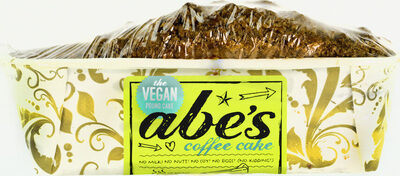
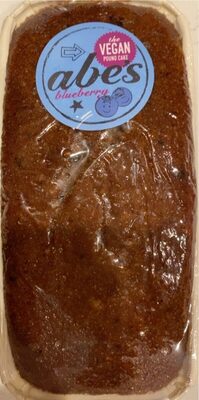
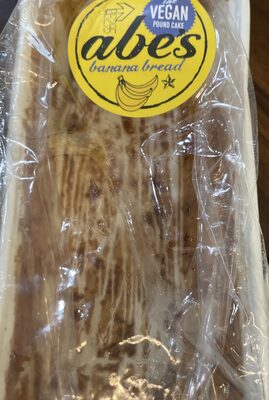
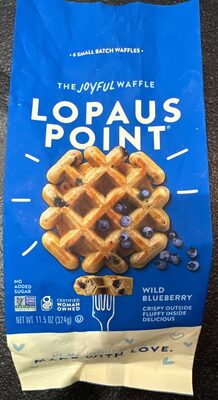
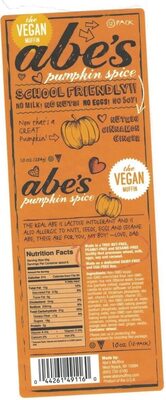
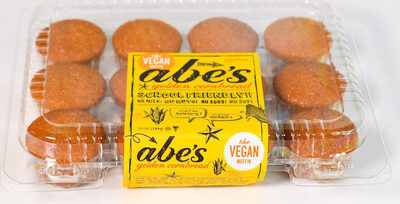
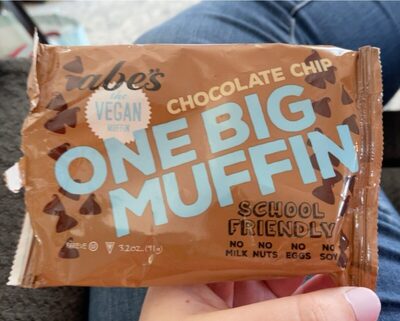
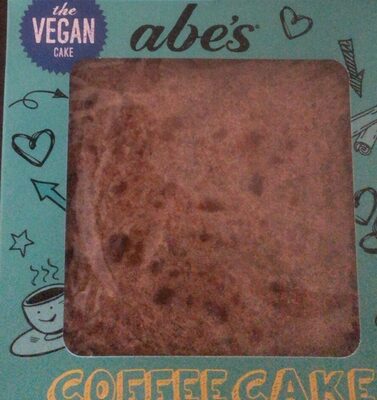
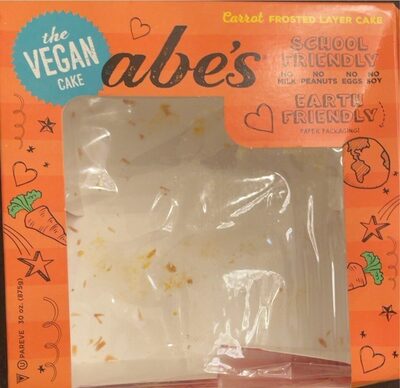
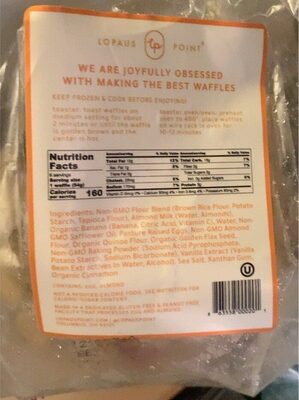
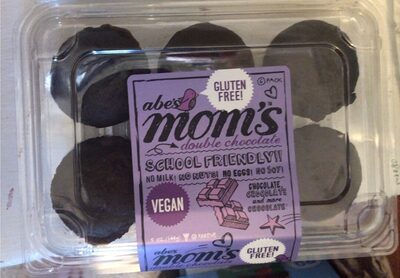
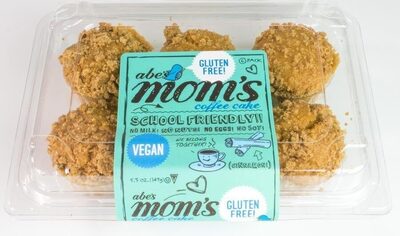 Abe'S Mom'S
Coffee Cake
High in added sugars — 36% DV per serving
436kcal
1.8Protein
20Fat
65.5Carbs
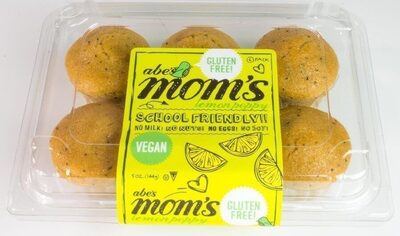 Abe'S Mom'S
Lemon Poppy
High in added sugars — 38% DV per serving
436kcal
1.8Protein
20Fat
65.5Carbs
Auto-generated content. This description was generated automatically and is pending editorial review. Inaccuracies are possible. Found a mistake? Contact us.