Nondairy Lactic Acid
What is Nondairy Lactic Acid?
Nondairy lactic acid is an acid produced by the fermentation of carbohydrates, such as sugars from corn or beets. It is a natural organic acid that gives sour milk its tart flavor. It is used in foods when a dairy-free source of lactic acid is needed.
Is Nondairy Lactic Acid vegan?
Nondairy Lactic Acid is not animal-derived. Products that contain it can still include other animal-derived ingredients, so check the full ingredient list.
Is Nondairy Lactic Acid gluten-free?
It does not contain gluten.
Is Nondairy Lactic Acid a major allergen?
Nondairy lactic acid is not derived from any of the nine FDA major allergens.
What is Nondairy Lactic Acid used for?
Nondairy lactic acid is used as an acidity regulator, preservative, and flavor enhancer in a variety of foods.
Is Nondairy Lactic Acid safe?
Nondairy lactic acid is generally recognized as safe (GRAS) by the U.S. Food and Drug Administration (FDA) for use in food.
Why it's used
Nondairy lactic acid is used as an acidity regulator, preservative, and flavor enhancer in a variety of foods. It helps control pH, extend shelf life, and add a tangy or sour taste. It is commonly found in baked goods, dairy alternatives, and confectionery.
Health notes
Nondairy lactic acid is generally recognized as safe (GRAS) by the U.S. Food and Drug Administration (FDA) for use in food. Regulatory bodies like JECFA and EFSA have evaluated lactic acid and its salts. At typical consumption levels, it is considered safe and is a normal component of human metabolism.
Allergen info
Nondairy lactic acid is not derived from any of the nine FDA major allergens. It does not contain gluten.
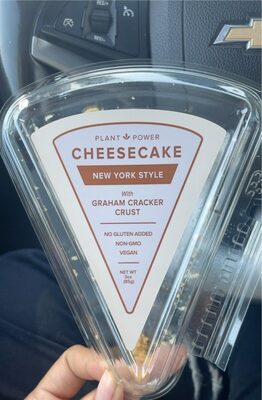
Foods that contain Nondairy Lactic Acid
Compare products →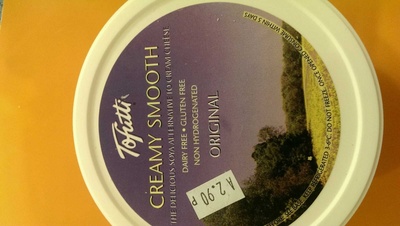
Auto-generated content. This description was generated automatically and is pending editorial review. Inaccuracies are possible. Found a mistake? Contact us.