Nonfat Milk Cultures
Auto-generated content. This description was generated automatically and is pending editorial review. Inaccuracies are possible. Found a mistake? Contact us.
What it is
Nonfat milk cultures are live microorganisms, typically bacteria, that are grown in skim milk. These cultures are essential for the fermentation process in dairy products, transforming milk into products like yogurt and cheese, and also contribute to the flavor and texture of various foods.
Why it's used
Manufacturers use nonfat milk cultures to develop characteristic tangy flavors and creamy textures in foods like sour cream, cheese, and cultured buttermilk. They are also added to snacks such as potato chips and salad kits to provide a savory, cheesy, or sour cream-like taste profile.
Health notes
Nonfat milk cultures are generally recognized as safe (GRAS) by the FDA for use in food. The live microorganisms in these cultures are often referred to as probiotics, which are beneficial bacteria that may support gut health. Regulatory bodies like the WHO/FAO's JECFA have evaluated similar cultures, and EFSA has assessed the safety of specific probiotic strains. Evidence regarding the health benefits of specific strains continues to be researched.
Allergen info
Nonfat milk cultures are derived from milk, which is one of the 9 FDA major allergens. They do not contain gluten.
Products containing Nonfat Milk Cultures
Compare products →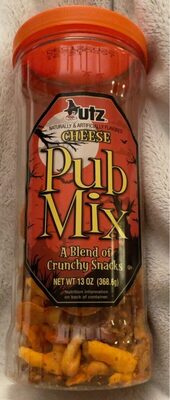 UTZ Quality Foods, LLC
Cheese Pub Mix A Blend Of Crunchy Snacks, Cheese Pub Mix
464kcal
7.1Protein
21.4Fat
60.7Carbs
UTZ Quality Foods, LLC
Cheese Flavored Pub Mix A Blend Of Crunchy Snacks, Cheese
464kcal
7.1Protein
21.4Fat
60.7Carbs
UTZ Quality Foods, LLC
Cheese Pub Mix A Blend Of Crunchy Snacks, Cheese Pub Mix
464kcal
7.1Protein
21.4Fat
60.7Carbs
UTZ Quality Foods, LLC
Cheese Flavored Pub Mix A Blend Of Crunchy Snacks, Cheese
464kcal
7.1Protein
21.4Fat
60.7Carbs
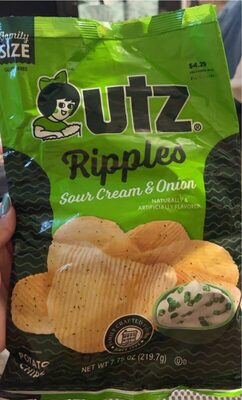 UTZ Quality Foods, LLC
Sour Cream & Onion Potato Chips, Sour Cream; Onion
536kcal
7.1Protein
32.1Fat
53.6Carbs
UTZ Quality Foods, LLC
Utz Variety Snack Pack, 28 Count, 29 Oz
530kcal
7.1Protein
31.8Fat
53Carbs
UTZ Quality Foods, LLC
Sour Cream & Onion Potato Chips, Sour Cream; Onion
536kcal
7.1Protein
32.1Fat
53.6Carbs
UTZ Quality Foods, LLC
Utz Variety Snack Pack, 28 Count, 29 Oz
530kcal
7.1Protein
31.8Fat
53Carbs
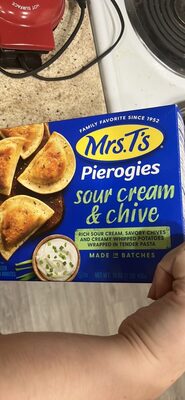 Ateeco, Inc.
Sour Cream & Chive Pierogies, Sour Cream; Chive
High in sodium — 25% DV per serving
171kcal
4.6Protein
4.6Fat
28.3Carbs
Ateeco, Inc.
Sour Cream & Chive Pierogies, Sour Cream; Chive
High in sodium — 25% DV per serving
171kcal
4.6Protein
4.6Fat
28.3Carbs
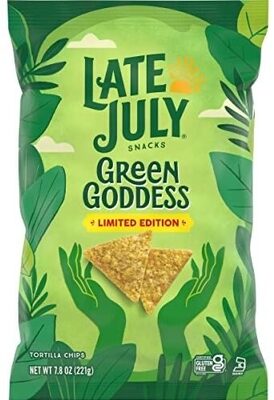 Snyder's-Lance INC.
Late July Snacks, Green Goddess Tortilla Chips, 7.8-oz. Bag
500kcal
7.1Protein
25Fat
64.3Carbs
Snyder's-Lance INC.
Late July Snacks, Green Goddess Tortilla Chips, 7.8-oz. Bag
500kcal
7.1Protein
25Fat
64.3Carbs