Organic Cultured Pasteurized Reduced Fat Milk
Auto-generated content. This description was generated automatically and is pending editorial review. Inaccuracies are possible. Found a mistake? Contact us.
What it is
This is milk from cows that has been pasteurized (heated to kill harmful bacteria) and then had a starter culture of bacteria added. These bacteria ferment the milk's natural sugar (lactose) into lactic acid, which thickens the milk and gives it a tangy flavor. The 'reduced fat' means some of the milk's natural fat has been removed.
Why it's used
Cultured milk is the base for many dairy products like yogurt and cheese. The culturing process adds flavor and texture, and the bacteria can act as natural preservatives. It's commonly found in yogurts, cheeses, sour cream, and buttermilk.
Health notes
Milk and milk products are a source of calcium, vitamin D, and protein. The U.S. Food and Drug Administration (FDA) considers milk to be Generally Recognized As Safe (GRAS). International bodies like the Joint FAO/WHO Expert Committee on Food Additives (JECFA) and the European Food Safety Authority (EFSA) have evaluated milk products. Consuming dairy products is generally considered safe for most people when eaten in moderation as part of a balanced diet.
Allergen info
Milk is one of the FDA's nine major food allergens. People with a milk allergy should avoid products containing it.
Products containing Organic Cultured Pasteurized Reduced Fat Milk
Compare products →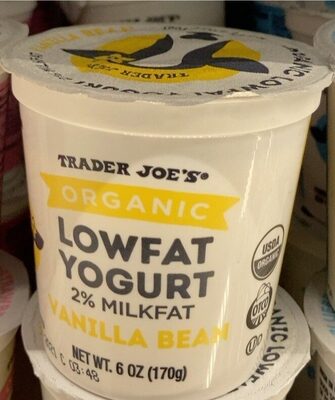 TRADER JOE'S
Organic Lowfat Yogurt
88kcal
3.5Protein
1.5Fat
15.3Carbs
The Kroger Co.
Mozzarella Low-Moisture Part-Skim Finely Shredded Cheese, Mozzarella
High in saturated fat — 20% DV per serving
357kcal
25Protein
28.6Fat
3.6Carbs
Danone US, LLC
Wallaby Organic, Lowfat Yogurt, Vanilla Bean, Vanilla Bean
88kcal
3.5Protein
1.5Fat
15.3Carbs
TRADER JOE'S
Organic Lowfat Yogurt
88kcal
3.5Protein
1.5Fat
15.3Carbs
The Kroger Co.
Mozzarella Low-Moisture Part-Skim Finely Shredded Cheese, Mozzarella
High in saturated fat — 20% DV per serving
357kcal
25Protein
28.6Fat
3.6Carbs
Danone US, LLC
Wallaby Organic, Lowfat Yogurt, Vanilla Bean, Vanilla Bean
88kcal
3.5Protein
1.5Fat
15.3Carbs
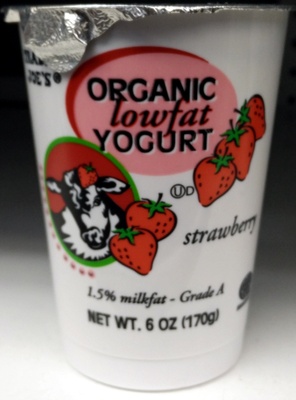 Yule Tree Farms LLC
Strawberry Organic Lowfat Yogurt, Strawberry
88kcal
3.5Protein
1.5Fat
14.7Carbs
Yule Tree Farms LLC
Strawberry Organic Lowfat Yogurt, Strawberry
88kcal
3.5Protein
1.5Fat
14.7Carbs
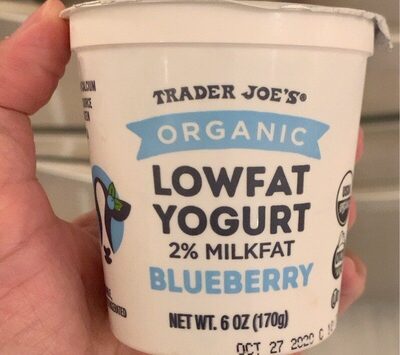 Ned's Foods
Blueberry Organic Lowfat Yogurt, Blueberry
82kcal
3.5Protein
1.5Fat
14.1Carbs
Danone US, LLC
Organic Lowfat Yogurt, Blueberry
82kcal
4.1Protein
1.5Fat
14.1Carbs
Ned's Foods
Blueberry Organic Lowfat Yogurt, Blueberry
82kcal
3.5Protein
1.5Fat
14.1Carbs
Danone US, LLC
Organic Lowfat Yogurt, Blueberry
82kcal
4.1Protein
1.5Fat
14.1Carbs
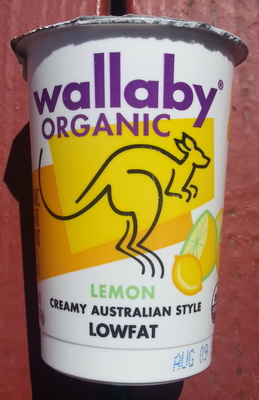 Danone US, LLC
Organic Lowfat Yogurt, Lemon
82kcal
3.5Protein
1.5Fat
13.5Carbs
Danone US, LLC
Organic Lowfat Yogurt
82kcal
3.5Protein
1.5Fat
14.1Carbs
Glencourt Inc.
Organic Mozzarella Cheese Sliced
294kcal
23.5Protein
20.6Fat
5.9Carbs
Danone US, LLC
Organic Lowfat Yogurt, Lemon
82kcal
3.5Protein
1.5Fat
13.5Carbs
Danone US, LLC
Organic Lowfat Yogurt
82kcal
3.5Protein
1.5Fat
14.1Carbs
Glencourt Inc.
Organic Mozzarella Cheese Sliced
294kcal
23.5Protein
20.6Fat
5.9Carbs
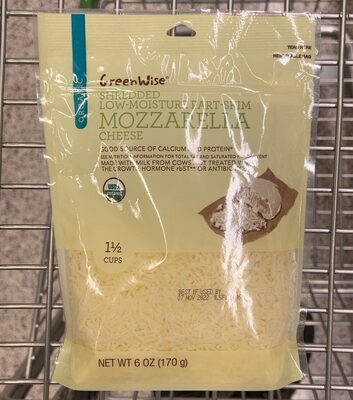 Publix Super Markets, Inc.
Mozzarella Low-Moisture Part-Skim Shredded Cheese, Mozzarella
High in saturated fat — 20% DV per serving
357kcal
25Protein
28.6Fat
3.6Carbs
Wakefern Food Corporation
Organic, Strawberry Banana Yogurt Smoothie, Strawberry Banana
51kcal
2.8Protein
1.1Fat
7.3Carbs
Publix Super Markets, Inc.
Mozzarella Low-Moisture Part-Skim Shredded Cheese, Mozzarella
High in saturated fat — 20% DV per serving
357kcal
25Protein
28.6Fat
3.6Carbs
Wakefern Food Corporation
Organic, Strawberry Banana Yogurt Smoothie, Strawberry Banana
51kcal
2.8Protein
1.1Fat
7.3Carbs
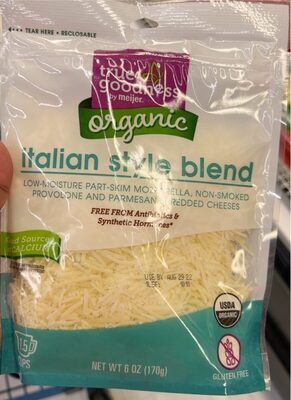 Meijer, Inc.
Italian Style Blend Organic Low-Moisture Part-Skim Mozzarella, Non-Smoked Provolone, Romano And Parmesan Shredded Cheeses, Italian Style Blend
High in saturated fat — 25% DV per serving
357kcal
28.6Protein
25Fat
3.6Carbs
Meijer, Inc.
Italian Style Blend Organic Low-Moisture Part-Skim Mozzarella, Non-Smoked Provolone, Romano And Parmesan Shredded Cheeses, Italian Style Blend
High in saturated fat — 25% DV per serving
357kcal
28.6Protein
25Fat
3.6Carbs