Organic Ghee
What is Organic Ghee?
Organic ghee is a type of clarified butter. It is made by simmering butter, which separates the milk solids and water from the butterfat. The milk solids are then removed, leaving behind a pure butterfat product. The "organic" designation means it is made from milk sourced from organically raised cows.
Is Organic Ghee vegan?
No. Organic Ghee is animal-derived, so it is not vegan.
Is Organic Ghee a major allergen?
Ghee is derived from milk, which is one of the nine major food allergens identified by the FDA.
What is Organic Ghee used for?
Manufacturers use ghee as a cooking fat, flavor enhancer, and ingredient in various food products.
Is Organic Ghee safe?
Ghee is primarily composed of fat, including saturated fat.
Why it's used
Manufacturers use ghee as a cooking fat, flavor enhancer, and ingredient in various food products. Its rich, nutty flavor and high smoke point make it suitable for baking, sautéing, and as a spread. It is often found in nut and seed butters, snack bars, and dessert spreads.
Health notes
Ghee is primarily composed of fat, including saturated fat. The Dietary Guidelines for Americans (2025-2030) recommend limiting saturated fat intake to less than 10% of daily calories. As a traditional food ingredient, ghee is not regulated as a food additive by the FDA. It is generally recognized as safe when consumed as part of a balanced diet. JECFA and EFSA typically evaluate food additives, not whole food ingredients like ghee.
Allergen info
Ghee is derived from milk, which is one of the nine major food allergens identified by the FDA.
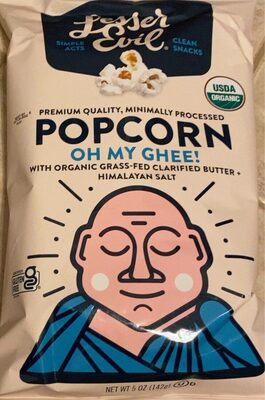
Foods that contain Organic Ghee
Compare products →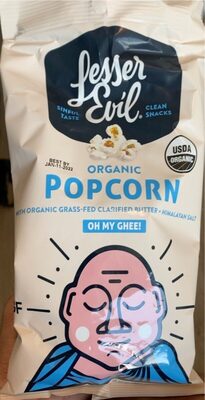

Learn more
Auto-generated content. This description was generated automatically and is pending editorial review. Inaccuracies are possible. Found a mistake? Contact us.