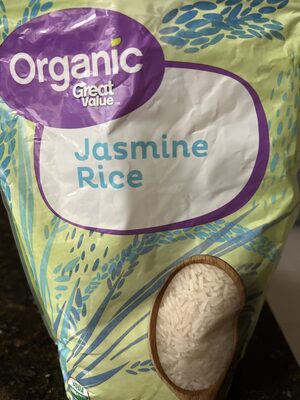
Organic Jasmine Rice
What is Organic Jasmine Rice?
Organic jasmine rice is a long-grain, aromatic rice variety grown in Southeast Asia, particularly Thailand. It is known for its distinct floral scent and slightly sticky texture when cooked. The 'organic' label means it was grown without synthetic pesticides or fertilizers.
Is Organic Jasmine Rice vegan?
Organic Jasmine Rice is not animal-derived. Products that contain it can still include other animal-derived ingredients, so check the full ingredient list.
Is Organic Jasmine Rice gluten-free?
It does not contain gluten.
Is Organic Jasmine Rice a major allergen?
Rice is not one of the nine major allergens recognized by the FDA.
What is Organic Jasmine Rice used for?
Jasmine rice is a popular staple grain, often used as a side dish or as a base for various cuisines, especially Asian dishes.
Is Organic Jasmine Rice safe?
Jasmine rice is a source of carbohydrates and some B vitamins.
Why it's used
Jasmine rice is a popular staple grain, often used as a side dish or as a base for various cuisines, especially Asian dishes. Manufacturers use it for its flavor, aroma, and texture, adding it to products like rice blends, frozen meals, and side dishes.
Health notes
Jasmine rice is a source of carbohydrates and some B vitamins. Like other refined grains, it is lower in fiber than whole grains. Regulatory bodies like the FDA have not set specific upper intake limits for rice consumption. Organizations like JECFA have evaluated rice and its components, but no specific health concerns are widely associated with its moderate consumption.
Allergen info
Rice is not one of the nine major allergens recognized by the FDA. It does not contain gluten.
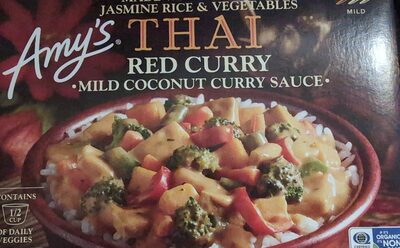
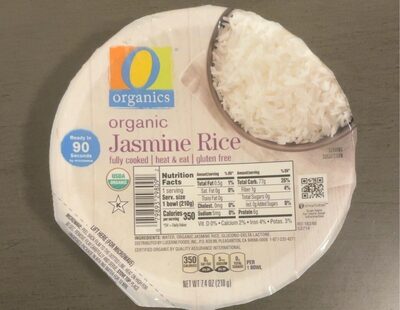
Foods that contain Organic Jasmine Rice
Compare products →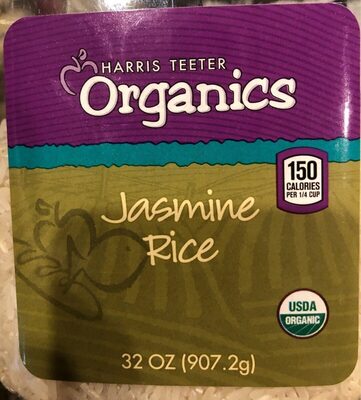
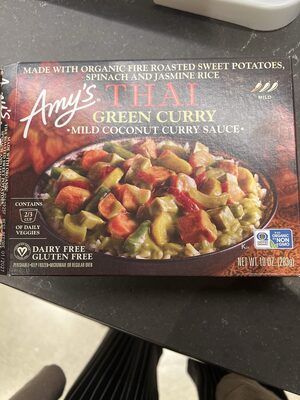
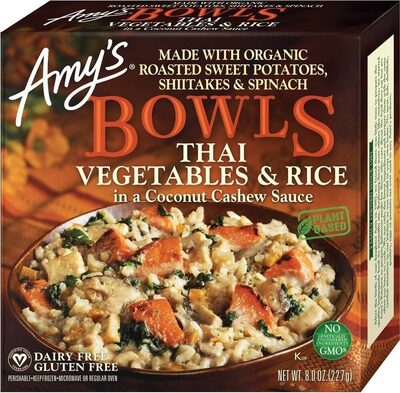
Learn more
Auto-generated content. This description was generated automatically and is pending editorial review. Inaccuracies are possible. Found a mistake? Contact us.