Organic Non Hydrogenated Palm Oil
What is Organic Non Hydrogenated Palm Oil?
Organic non-hydrogenated palm oil is a vegetable oil derived from the fruit of the oil palm tree. 'Organic' indicates it was produced following organic farming standards, and 'non-hydrogenated' means it has not undergone the chemical process of hydrogenation, which can create trans fats. It is naturally semi-solid at room temperature.
Is Organic Non Hydrogenated Palm Oil vegan?
Organic Non Hydrogenated Palm Oil is not animal-derived. Products that contain it can still include other animal-derived ingredients, so check the full ingredient list.
Is Organic Non Hydrogenated Palm Oil a major allergen?
Not a major allergen.
What is Organic Non Hydrogenated Palm Oil used for?
Manufacturers use palm oil for its versatility, texture, and stability, as well as its relatively low cost.
Is Organic Non Hydrogenated Palm Oil safe?
Palm oil is generally recognized as safe (GRAS) by the FDA when used as a food ingredient.
Why it's used
Manufacturers use palm oil for its versatility, texture, and stability, as well as its relatively low cost. It is a common ingredient in many processed foods, including baked goods, snacks, confectionery, and spreads, where it contributes to texture and shelf life.
Health notes
Palm oil is generally recognized as safe (GRAS) by the FDA when used as a food ingredient. It is high in saturated fat, and the 2025-2030 Dietary Guidelines for Americans recommend limiting saturated fat intake to less than 10% of daily calories. As a common food oil, it is not typically evaluated by JECFA or EFSA in the same way as food additives, but rather as a dietary fat component.
Allergen info
Not a major allergen.
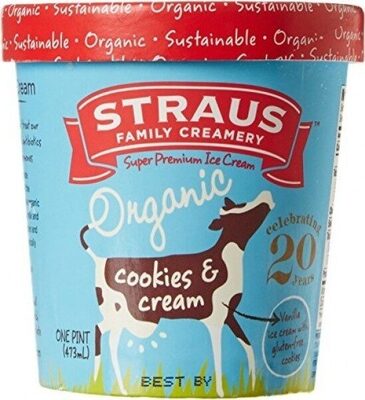
Foods that contain Organic Non Hydrogenated Palm Oil
Compare products →
Learn more
Auto-generated content. This description was generated automatically and is pending editorial review. Inaccuracies are possible. Found a mistake? Contact us.