Organic Nonfat Greek Yogurt
What is Organic Nonfat Greek Yogurt?
Organic nonfat Greek yogurt is a strained yogurt made from skim milk. The straining process removes most of the whey, resulting in a thicker, creamier product with a more concentrated flavor than regular yogurt. It is produced through the fermentation of milk by beneficial bacteria.
Is Organic Nonfat Greek Yogurt vegan?
No. Organic Nonfat Greek Yogurt is animal-derived, so it is not vegan.
Is Organic Nonfat Greek Yogurt gluten-free?
It does not contain gluten.
Is Organic Nonfat Greek Yogurt a major allergen?
Greek yogurt is derived from milk, which is one of the 9 FDA major allergens.
What is Organic Nonfat Greek Yogurt used for?
Manufacturers use it as a protein-rich ingredient and a base for creamy textures in various foods.
Is Organic Nonfat Greek Yogurt safe?
Greek yogurt is generally recognized as safe (GRAS) by the FDA.
Why it's used
Manufacturers use it as a protein-rich ingredient and a base for creamy textures in various foods. It is commonly found in yogurt products, dairy-based snacks, and even some baby foods, where it adds a tangy flavor and smooth consistency.
Health notes
Greek yogurt is generally recognized as safe (GRAS) by the FDA. It is a good source of protein and calcium. International bodies like the WHO/FAO's JECFA have evaluated yogurt and dairy products, but typically do not set specific ADIs for whole foods. Consuming yogurt as part of a balanced diet can contribute to overall health.
Allergen info
Greek yogurt is derived from milk, which is one of the 9 FDA major allergens. It does not contain gluten.
Foods that contain Organic Nonfat Greek Yogurt
Compare products →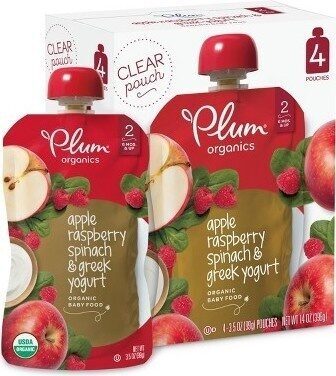
Learn more
Auto-generated content. This description was generated automatically and is pending editorial review. Inaccuracies are possible. Found a mistake? Contact us.