Organic Plant Oils
Auto-generated content. This description was generated automatically and is pending editorial review. Inaccuracies are possible. Found a mistake? Contact us.
What it is
Organic plant oils are fats extracted from various plants, such as sunflowers, soybeans, or coconuts. They are produced from organically grown plants and processed without synthetic pesticides or fertilizers, adhering to organic certification standards.
Why it's used
Manufacturers use organic plant oils to provide texture, moisture, and flavor to food products. They are often found in plant-based meat alternatives, baked goods, and dressings, contributing to mouthfeel and cooking properties.
Health notes
Plant oils are widely consumed as food ingredients and are generally recognized as safe (GRAS) by the FDA. The health implications can vary depending on the specific type of oil and its fatty acid profile. Major international bodies like JECFA and EFSA typically evaluate specific food additives rather than broad categories like "plant oils."
Allergen info
Some plant oils, such as soybean oil or certain tree nut oils, are derived from FDA major allergens. Products containing these specific oils must declare them on the label.
Products containing Organic Plant Oils
Compare products →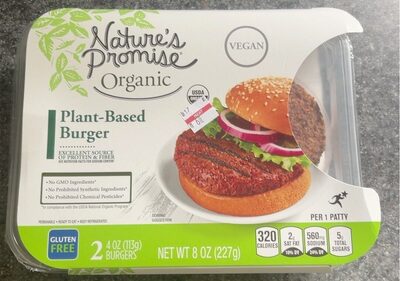 Ahold USA, Inc.
Plant-Based Burger
High in sodium — 24% DV per serving
283kcal
18.6Protein
9.7Fat
27.4Carbs
Ahold USA, Inc.
Plant-Based Burger
High in sodium — 24% DV per serving
283kcal
18.6Protein
9.7Fat
27.4Carbs
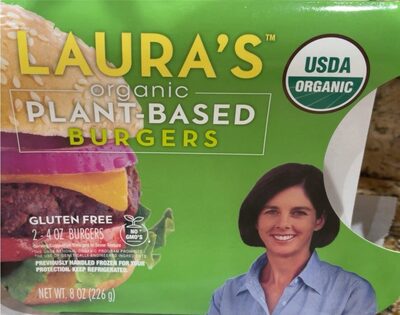 Meyer Natural Foods LLC
Organic Plant-Based Burgers
High in sodium — 24% DV per serving
283kcal
18.6Protein
9.7Fat
27.4Carbs
Meyer Natural Foods LLC
Organic Plant-Based Burgers
High in sodium — 24% DV per serving
283kcal
18.6Protein
9.7Fat
27.4Carbs