Organic Sesame Seeds
What is Organic Sesame Seeds?
Organic sesame seeds are the edible seeds of the sesame plant, grown without synthetic pesticides or fertilizers. They are small, flat, oval-shaped seeds that are typically harvested from dried seed pods.
Is Organic Sesame Seeds vegan?
Organic Sesame Seeds is not animal-derived. Products that contain it can still include other animal-derived ingredients, so check the full ingredient list.
Is Organic Sesame Seeds gluten-free?
It is not related to gluten.
Is Organic Sesame Seeds a major allergen?
Sesame is one of the 9 major food allergens recognized by the FDA.
What is Organic Sesame Seeds used for?
Sesame seeds are often used whole or as a paste (tahini) in baked goods like breads and crackers for flavor and texture.
Is Organic Sesame Seeds safe?
Sesame seeds are generally recognized as safe (GRAS) by the FDA when used as a food ingredient.
Why it's used
Sesame seeds are often used whole or as a paste (tahini) in baked goods like breads and crackers for flavor and texture. They can also be sprinkled on top of foods for garnish or used to make oils.
Health notes
Sesame seeds are generally recognized as safe (GRAS) by the FDA when used as a food ingredient. They are a source of healthy fats, protein, and fiber. International bodies like JECFA have evaluated sesame and its components. Evidence does not suggest adverse health effects from typical dietary consumption.
Allergen info
Sesame is one of the 9 major food allergens recognized by the FDA. It is not related to gluten.
Foods that contain Organic Sesame Seeds
Compare products →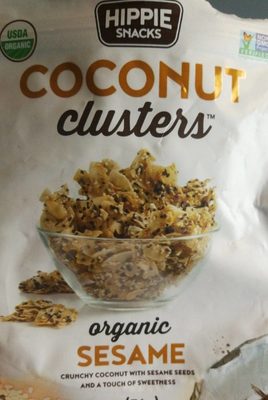 HIPPIE SNACKS
Organic Coconut With Sesame Seeds And A Touch Of Sweetness
High in saturated fat — 30% DV per serving
632kcal
10.5Protein
47.4Fat
42.1Carbs
HIPPIE SNACKS
Organic Coconut With Sesame Seeds And A Touch Of Sweetness
High in saturated fat — 30% DV per serving
632kcal
10.5Protein
47.4Fat
42.1Carbs
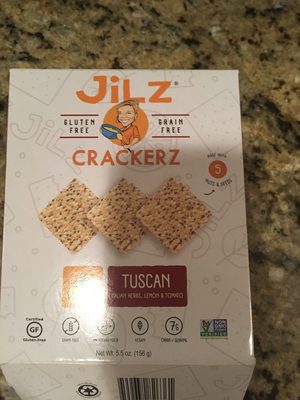 JILZ
Tuscan Crackerz, Tuscan
385kcal
11.5Protein
30.8Fat
26.9Carbs
JILZ
Tuscan Crackerz, Tuscan
385kcal
11.5Protein
30.8Fat
26.9Carbs
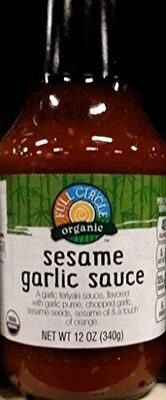 Topco Associates, Inc.
Sesame Garlic Sauce Teriyaki Sauce With Sesame Seeds, Toasted Sesame Oil And A Touch Of Orange, Sesame Garlic
133kcal
3.3Protein
0Fat
30Carbs
Topco Associates, Inc.
Sesame Garlic Sauce Teriyaki Sauce With Sesame Seeds, Toasted Sesame Oil And A Touch Of Orange, Sesame Garlic
133kcal
3.3Protein
0Fat
30Carbs
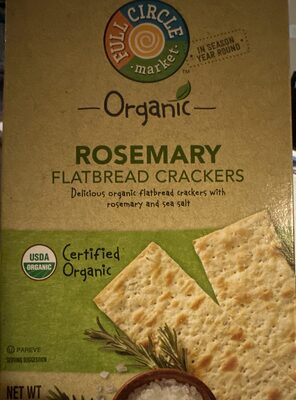 Topco Associates, Inc.
Rosemary Flatbread Crackers, Rosemary
400kcal
10Protein
6.7Fat
76.7Carbs
Topco Associates, Inc.
Rosemary Flatbread Crackers, Rosemary
400kcal
10Protein
6.7Fat
76.7Carbs
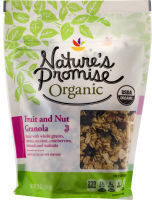 Ahold USA, Inc.
Organic Fruit And Nut Granola
460kcal
12Protein
20Fat
62Carbs
Ahold USA, Inc.
Organic Fruit And Nut Granola
460kcal
12Protein
20Fat
62Carbs
 Sky Valley Foods Inc.
Sauce & Marinade, Sesame Teriyaki
133kcal
6.7Protein
6.7Fat
—Carbs
Sky Valley Foods Inc.
Sauce & Marinade, Sesame Teriyaki
133kcal
6.7Protein
6.7Fat
—Carbs
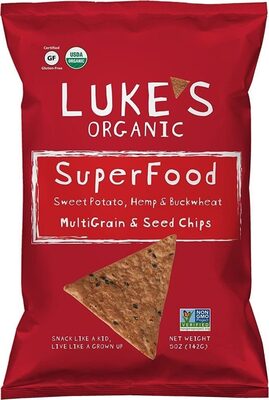 Luke's Organic, LLC
Multigrain & Seed Chips
500kcal
17.9Protein
21.4Fat
64.3Carbs
Luke's Organic, LLC
Multigrain & Seed Chips
500kcal
17.9Protein
21.4Fat
64.3Carbs
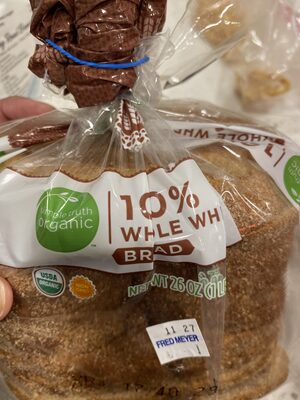 The Kroger Co.
100% Whole Wheat Bread, 100% Whole Wheat
233kcal
9.3Protein
3.5Fat
46.5Carbs
The Kroger Co.
100% Whole Wheat Bread, 100% Whole Wheat
233kcal
9.3Protein
3.5Fat
46.5Carbs
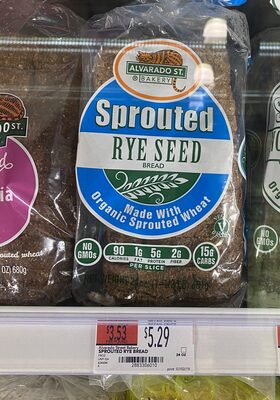 Alvarado Street Bakery
Sprouted Rye Seed Bread
265kcal
14.7Protein
2.9Fat
44.1Carbs
Alvarado Street Bakery
Sprouted Rye Seed Bread
265kcal
14.7Protein
2.9Fat
44.1Carbs
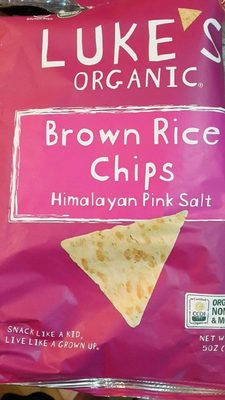 Luke's Organic, LLC
Brown Rice Chips
500kcal
10.7Protein
21.4Fat
67.9Carbs
Luke's Organic, LLC
Brown Rice Chips
500kcal
10.7Protein
21.4Fat
67.9Carbs
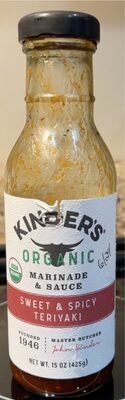 P. K. Kinder Co., Inc.
Teriyaki Marinade & Sauce, Sweet & Spicy
167kcal
0Protein
0Fat
46.7Carbs
P. K. Kinder Co., Inc.
Teriyaki Marinade & Sauce, Sweet & Spicy
167kcal
0Protein
0Fat
46.7Carbs
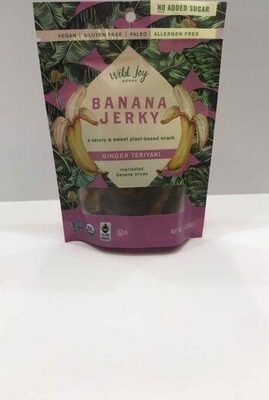 Wild Joy Goods
Ginger Teriyaki Banana Jerky A Sweet & Savory Plant-Based Snack, Ginger Teriyaki
357kcal
3.6Protein
3.6Fat
75Carbs
Wild Joy Goods
Ginger Teriyaki Banana Jerky A Sweet & Savory Plant-Based Snack, Ginger Teriyaki
357kcal
3.6Protein
3.6Fat
75Carbs
Learn more
Auto-generated content. This description was generated automatically and is pending editorial review. Inaccuracies are possible. Found a mistake? Contact us.