Organic Soy Oil
Auto-generated content. This description was generated automatically and is pending editorial review. Inaccuracies are possible. Found a mistake? Contact us.
What it is
Organic soy oil is a vegetable oil made from soybeans grown without synthetic pesticides or fertilizers. The soybeans are typically cleaned, dehulled, and then pressed or solvent-extracted to remove the oil. The resulting crude oil is then refined, bleached, and deodorized to produce a clear, neutral-tasting oil.
Why it's used
Manufacturers use organic soy oil as a cooking oil and as an ingredient in many processed foods. Its neutral flavor and liquid consistency make it suitable for salad dressings, baked goods, margarines, and fried products. It also functions as an emulsifier, helping to blend oil and water-based ingredients.
Health notes
Organic soy oil is generally recognized as safe (GRAS) by the FDA for use in food. It is a source of polyunsaturated fats, including omega-6 fatty acids. Regulatory bodies like JECFA and EFSA have evaluated soy oil and its components. While generally considered safe in typical dietary amounts, some research explores the health effects of different types of fats in the diet.
Allergen info
Soy is one of the nine major allergens identified by the FDA. Therefore, organic soy oil is considered a major allergen.
Products containing Organic Soy Oil
Compare products →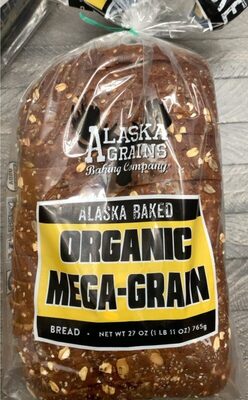 United States Bakery
Organic Mega-Grain Bread, Mega-Grain
244kcal
11.1Protein
4.4Fat
46.7Carbs
Skindinavia
Spicy Veggie Wrap
165kcal
14.1Protein
8.2Fat
8.2Carbs
United States Bakery
Organic Mega-Grain Bread, Mega-Grain
244kcal
11.1Protein
4.4Fat
46.7Carbs
Skindinavia
Spicy Veggie Wrap
165kcal
14.1Protein
8.2Fat
8.2Carbs