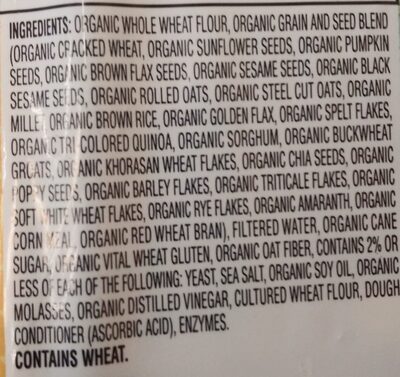
Organic Tri-colored Quinoa
What is Organic Tri-colored Quinoa?
Quinoa is a flowering plant in the amaranth family, grown for its edible seeds. It is native to the Andean region of South America. The seeds are harvested, cleaned, and often cooked whole, similar to rice or other grains.
Is Organic Tri-colored Quinoa vegan?
Organic Tri-colored Quinoa is not animal-derived. Products that contain it can still include other animal-derived ingredients, so check the full ingredient list.
Is Organic Tri-colored Quinoa gluten-free?
It is also naturally gluten-free.
Is Organic Tri-colored Quinoa a major allergen?
Quinoa is not one of the nine major allergens recognized by the FDA.
What is Organic Tri-colored Quinoa used for?
Quinoa is used as a whole grain or flour in various food products, providing a source of protein and fiber.
Is Organic Tri-colored Quinoa safe?
Quinoa is generally recognized as safe (GRAS) by the FDA for use in food.
Why it's used
Quinoa is used as a whole grain or flour in various food products, providing a source of protein and fiber. It is frequently found in breads, cereals, and snack bars, adding a nutty flavor and a slightly chewy texture.
Health notes
Quinoa is generally recognized as safe (GRAS) by the FDA for use in food. It is a nutrient-dense food, rich in protein, fiber, and various vitamins and minerals. International bodies like JECFA and EFSA have evaluated quinoa and its components, generally finding them safe for consumption. No specific upper intake levels are typically set for whole foods like quinoa.
Allergen info
Quinoa is not one of the nine major allergens recognized by the FDA. It is also naturally gluten-free.
Foods that contain Organic Tri-colored Quinoa
Compare products →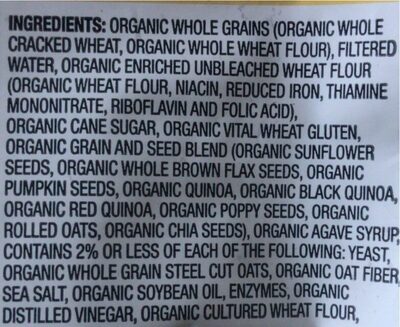
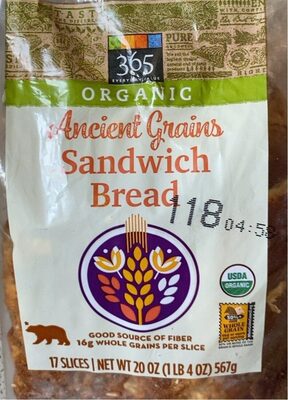 365 Everyday Value
Ancient Grains Sandwich Bread, Ancient Grains
212kcal
9.1Protein
3.0Fat
45.5Carbs
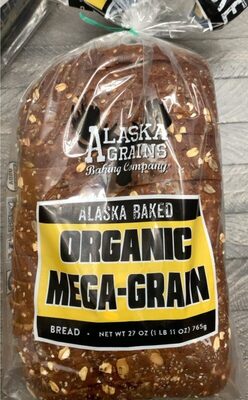
Learn more
Auto-generated content. This description was generated automatically and is pending editorial review. Inaccuracies are possible. Found a mistake? Contact us.