Palm And Rapeseed Oil
Auto-generated content. This description was generated automatically and is pending editorial review. Inaccuracies are possible. Found a mistake? Contact us.
What it is
Palm and rapeseed oil are vegetable oils derived from the fruit of the oil palm tree and the seeds of the rapeseed plant, respectively. They are refined through processes like bleaching and deodorizing to create a neutral-tasting oil suitable for various food applications. These oils are often blended to achieve specific functional properties.
Why it's used
Manufacturers use palm and rapeseed oil as a fat source in baked goods, spreads, and processed foods. They provide texture, richness, and help with shelf stability. You can find them in products like crackers, pastries, and peanut butter spreads.
Health notes
Palm and rapeseed oil are generally recognized as safe (GRAS) by the FDA for use in food. They are a source of fats, including saturated and unsaturated fatty acids. JECFA has evaluated edible oils, including palm and rapeseed oil, and established acceptable daily intakes. Research on the health effects of different types of fats is ongoing, with dietary guidelines recommending moderation in saturated fat intake.
Allergen info
Neither palm oil nor rapeseed oil are among the nine major allergens identified by the FDA. Rapeseed is not a source of gluten.
Products containing Palm And Rapeseed Oil
Compare products → REESE'S
Peanut Butter Spreads
552kcal
8.7Protein
32.5Fat
56.1Carbs
McIlhenny Company
Spartan, Spread, Hazelnut, Hazelnut
High in saturated fat — 20% DV per serving
516kcal
3.2Protein
29.0Fat
64.5Carbs
Bendiner Technologies, LLC
Premium French Brioche, Chocolate Chips, Chocolate Chips
300kcal
6Protein
10Fat
44Carbs
Asian Specialty Food Co., Ltd.
Croissant, Chocolate Creme Filling
343kcal
5.7Protein
11.4Fat
58.6Carbs
Bendiner Technologies, LLC
Brioche Rolls, Chocolate Chips
357kcal
8.6Protein
10Fat
57.1Carbs
REESE'S
Peanut Butter Spreads
552kcal
8.7Protein
32.5Fat
56.1Carbs
McIlhenny Company
Spartan, Spread, Hazelnut, Hazelnut
High in saturated fat — 20% DV per serving
516kcal
3.2Protein
29.0Fat
64.5Carbs
Bendiner Technologies, LLC
Premium French Brioche, Chocolate Chips, Chocolate Chips
300kcal
6Protein
10Fat
44Carbs
Asian Specialty Food Co., Ltd.
Croissant, Chocolate Creme Filling
343kcal
5.7Protein
11.4Fat
58.6Carbs
Bendiner Technologies, LLC
Brioche Rolls, Chocolate Chips
357kcal
8.6Protein
10Fat
57.1Carbs
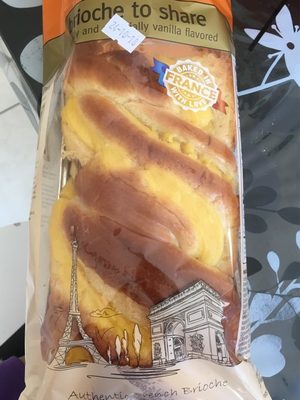 Bendiner Technologies, LLC
Premium Authentic French Brioche
280kcal
6Protein
8Fat
42Carbs
Ezaki Glico USA Corporation
Pocky, Chocolate Cream Covered Biscuit Sticks
493kcal
7.0Protein
21.1Fat
66.9Carbs
Nash Finch Company
Our Family, Hezelnut
High in saturated fat — 20% DV per serving
516kcal
3.2Protein
29.0Fat
64.5Carbs
Ingles Markets Inc.
Laura Lynn, Hazelnut Spread
High in saturated fat — 20% DV per serving
516kcal
3.2Protein
29.0Fat
64.5Carbs
Bendiner Technologies, LLC
Premium Authentic French Brioche
280kcal
6Protein
8Fat
42Carbs
Ezaki Glico USA Corporation
Pocky, Chocolate Cream Covered Biscuit Sticks
493kcal
7.0Protein
21.1Fat
66.9Carbs
Nash Finch Company
Our Family, Hezelnut
High in saturated fat — 20% DV per serving
516kcal
3.2Protein
29.0Fat
64.5Carbs
Ingles Markets Inc.
Laura Lynn, Hazelnut Spread
High in saturated fat — 20% DV per serving
516kcal
3.2Protein
29.0Fat
64.5Carbs
 Gamesa USA Inc.
Cinnamon Flavored Cookies, Cinnamon
438kcal
6.2Protein
14.1Fat
75Carbs
Gamesa USA Inc.
Cinnamon Flavored Cookies, Cinnamon
438kcal
6.2Protein
14.1Fat
75Carbs