Parmesan And Romano Cheese
What is Parmesan And Romano Cheese?
Parmesan and Romano cheese are hard, aged cheeses made from cow's milk (Parmesan) or sheep's milk (Romano). They are known for their granular texture and strong, savory flavor. The cheeses are produced through a process of coagulation, pressing, salting, and extended aging.
Is Parmesan And Romano Cheese vegan?
No. Parmesan And Romano Cheese is animal-derived, so it is not vegan.
Is Parmesan And Romano Cheese a major allergen?
Milk is a major allergen, and Parmesan and Romano cheese are derived from milk.
What is Parmesan And Romano Cheese used for?
Manufacturers add Parmesan and Romano cheese to products primarily for their distinct savory flavor and umami notes.
Is Parmesan And Romano Cheese safe?
Parmesan and Romano cheese are generally recognized as safe food ingredients by the FDA, not as food additives.
Why it's used
Manufacturers add Parmesan and Romano cheese to products primarily for their distinct savory flavor and umami notes. They also contribute to the texture and richness of foods. These cheeses are commonly found in prepared pasta sauces, salad dressings, and various cheese-based products.
Health notes
Parmesan and Romano cheese are generally recognized as safe food ingredients by the FDA, not as food additives. As dairy products, they contribute protein, calcium, and fat to the diet. For individuals with lactose intolerance, the aging process of hard cheeses like Parmesan and Romano typically reduces lactose content, making them better tolerated than fresh cheeses. JECFA and EFSA evaluate food additives, but not whole foods like cheese.
Allergen info
Milk is a major allergen, and Parmesan and Romano cheese are derived from milk.
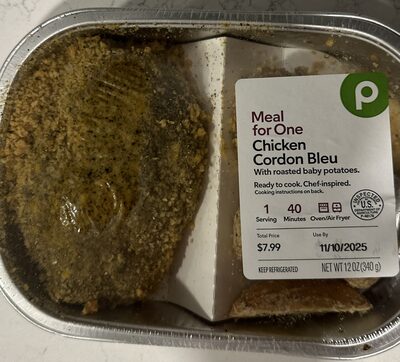
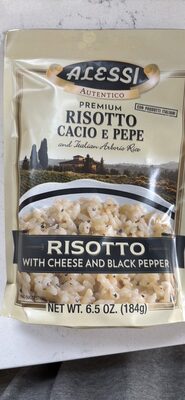
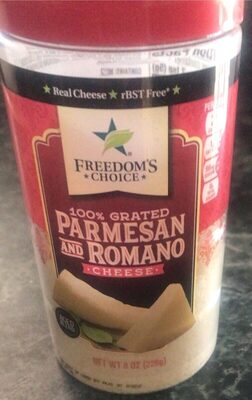
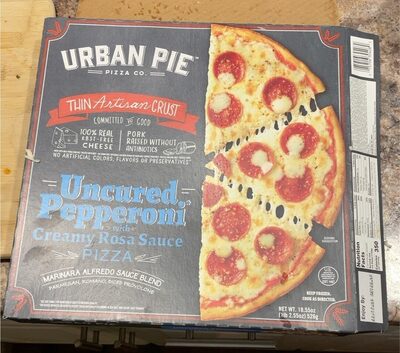
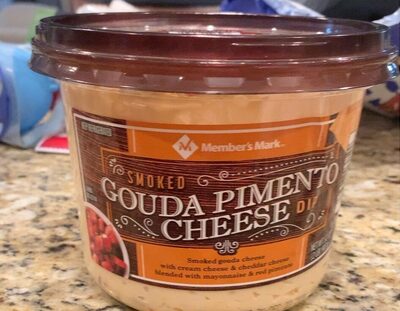
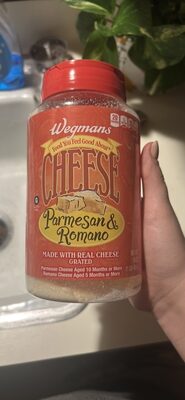
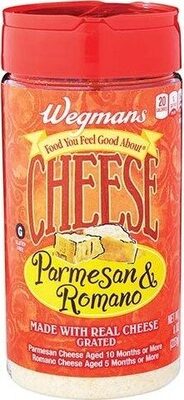
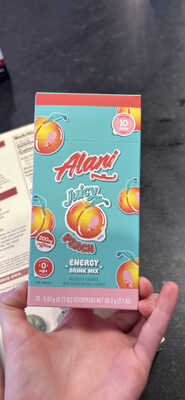
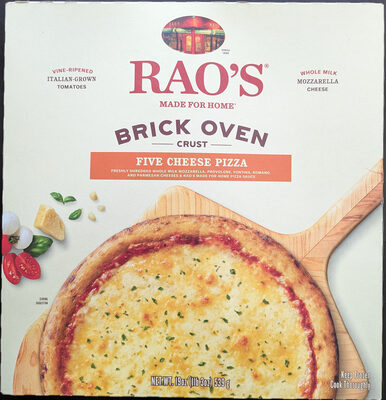
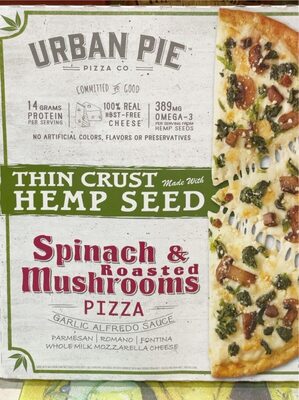
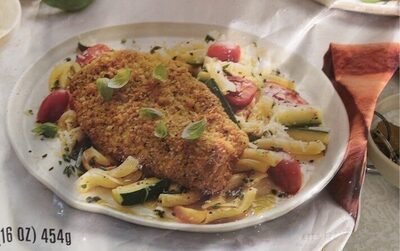
Foods that contain Parmesan And Romano Cheese
Compare products →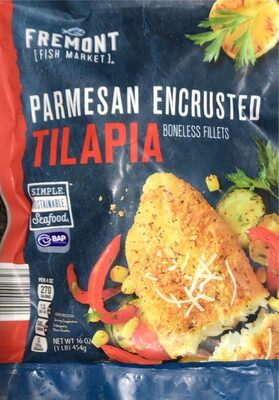
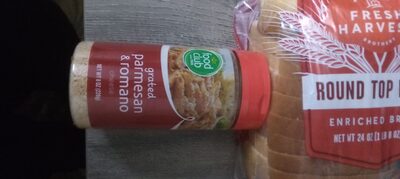
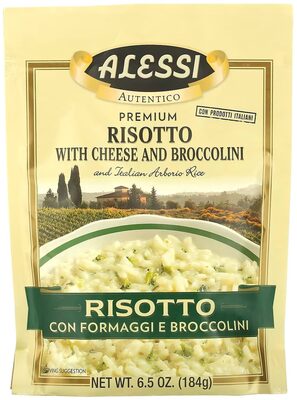
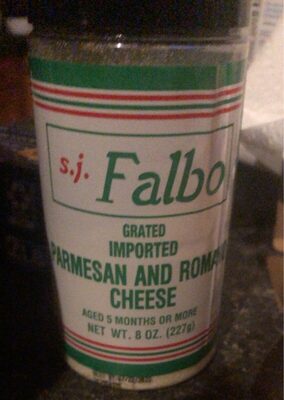
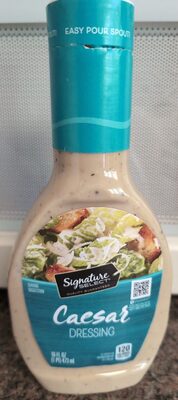
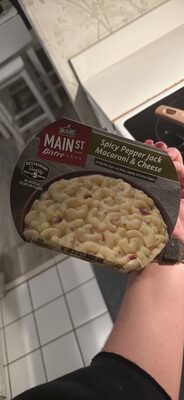
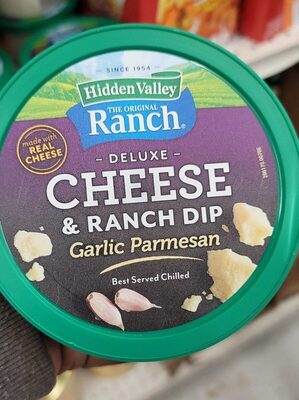
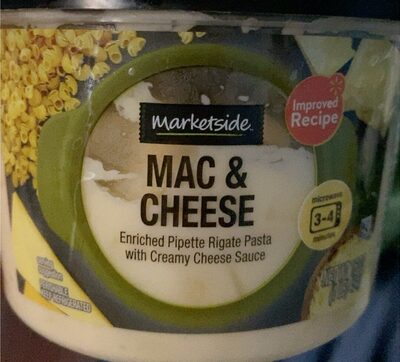
Learn more
Auto-generated content. This description was generated automatically and is pending editorial review. Inaccuracies are possible. Found a mistake? Contact us.