Parmesan Cheese Crisps
What is Parmesan Cheese Crisps?
Parmesan cheese crisps are made from baked or fried pieces of Parmesan cheese. The cheese is typically sliced or shredded and then heated until it becomes crispy and golden brown. This process concentrates the cheese's flavor and creates a crunchy texture.
Is Parmesan Cheese Crisps vegan?
No. Parmesan Cheese Crisps is animal-derived, so it is not vegan.
Is Parmesan Cheese Crisps gluten-free?
It does not contain gluten.
Is Parmesan Cheese Crisps a major allergen?
Parmesan cheese is derived from milk, which is one of the 9 FDA major allergens.
What is Parmesan Cheese Crisps used for?
Manufacturers use Parmesan cheese crisps primarily as a crunchy, savory snack or as a topping.
Is Parmesan Cheese Crisps safe?
Parmesan cheese is a natural food product and is generally recognized as safe (GRAS) by the FDA when used as a food ingredient.
Why it's used
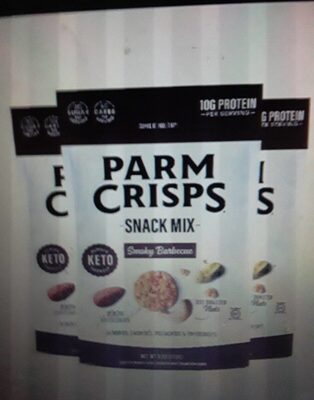
Manufacturers use Parmesan cheese crisps primarily as a crunchy, savory snack or as a topping. They add a distinct cheesy flavor and texture to salads, soups, and other dishes. They are also found in snack mixes and as a standalone snack.
Health notes
Parmesan cheese is a natural food product and is generally recognized as safe (GRAS) by the FDA when used as a food ingredient. It is a source of protein, calcium, and other nutrients. Regulatory bodies like EFSA have evaluated cheese and its components. Like all foods, moderation is advised due to its sodium and fat content.
Allergen info
Parmesan cheese is derived from milk, which is one of the 9 FDA major allergens. It does not contain gluten.
Foods that contain Parmesan Cheese Crisps
Compare products →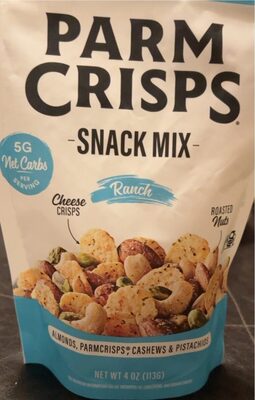
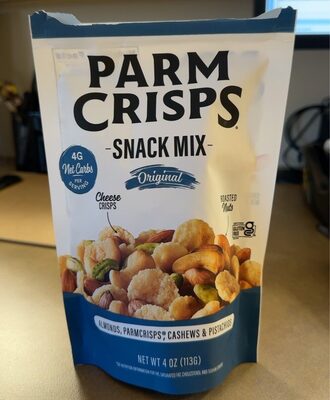
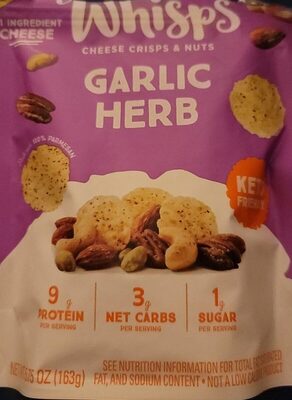
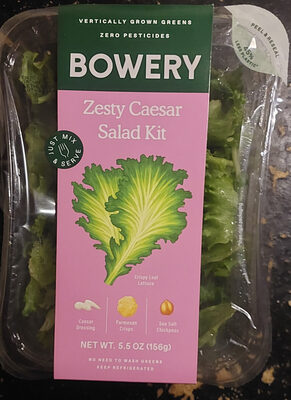
Learn more
Auto-generated content. This description was generated automatically and is pending editorial review. Inaccuracies are possible. Found a mistake? Contact us.