Parmesan Cheese Cultured Milk
What is Parmesan Cheese Cultured Milk?
Parmesan cheese is a hard, dry cheese made from cow's milk. It is produced using a long aging process, typically at least 12 months, which develops its characteristic sharp, nutty flavor and granular texture. The "cultured" part means that starter cultures (bacteria) were added to the milk to help with the fermentation and flavor development.
Is Parmesan Cheese Cultured Milk vegan?
No. Parmesan Cheese Cultured Milk is animal-derived, so it is not vegan.
Is Parmesan Cheese Cultured Milk gluten-free?
It does not contain gluten.
Is Parmesan Cheese Cultured Milk a major allergen?
Parmesan cheese is derived from milk, which is one of the 9 FDA major allergens.
What is Parmesan Cheese Cultured Milk used for?
Manufacturers use Parmesan cheese primarily as a flavoring ingredient, adding a savory, umami taste to foods.
Is Parmesan Cheese Cultured Milk safe?
Parmesan cheese is generally recognized as safe (GRAS) by the FDA when used as a food ingredient.
Why it's used
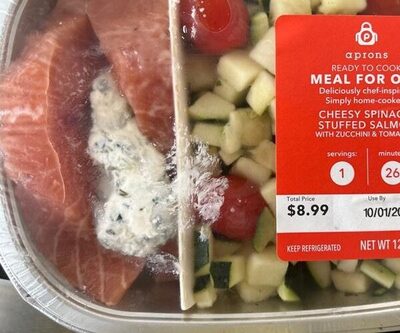
Manufacturers use Parmesan cheese primarily as a flavoring ingredient, adding a savory, umami taste to foods. Its granular texture also contributes to the mouthfeel of dishes. It is commonly found in frozen dinners and entrees, pizzas, pasta dishes, soups, and as a topping for salads and bread.
Health notes
Parmesan cheese is generally recognized as safe (GRAS) by the FDA when used as a food ingredient. It is a source of protein, calcium, and other nutrients. International bodies like JECFA have evaluated cheese and dairy products. Like all dairy, it contains lactose and fat, which may be a consideration for some individuals.
Allergen info
Parmesan cheese is derived from milk, which is one of the 9 FDA major allergens. It does not contain gluten.
Foods that contain Parmesan Cheese Cultured Milk
Compare products →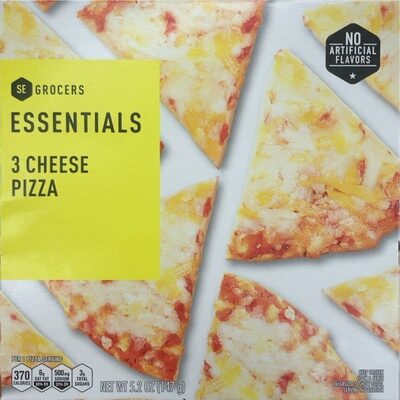
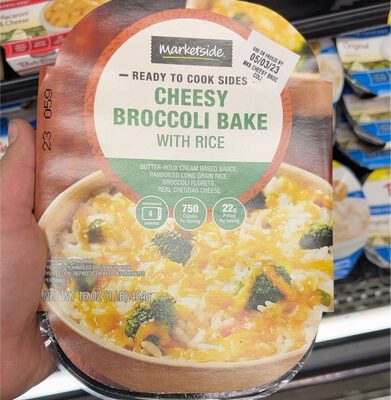
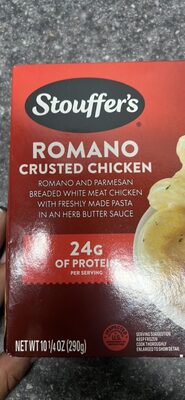
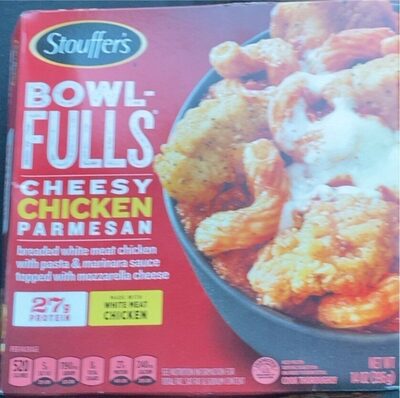
Learn more
Auto-generated content. This description was generated automatically and is pending editorial review. Inaccuracies are possible. Found a mistake? Contact us.