Part-skim Milk
What is Part-skim Milk?
Part-skim milk is cow's milk from which some of the milkfat has been removed. It is produced by centrifuging whole milk to separate the cream, then recombining the skim milk with a portion of the cream to achieve a specific fat content, typically between 0.5% and 2% milkfat.
Is Part-skim Milk vegan?
No. Part-skim Milk is animal-derived, so it is not vegan.
Is Part-skim Milk a major allergen?
Milk is one of the 9 major food allergens identified by the FDA.
What is Part-skim Milk used for?
Manufacturers use part-skim milk to provide a creamy texture, flavor, and nutritional value to products while offering a lower fat content than whole milk.
Is Part-skim Milk safe?
Part-skim milk is a common food ingredient and is generally recognized as safe (GRAS) by the FDA.
Why it's used
Manufacturers use part-skim milk to provide a creamy texture, flavor, and nutritional value to products while offering a lower fat content than whole milk. It is commonly found in cheeses, sauces, baked goods like croissants and muffins, and various dairy-based products.
Health notes
Part-skim milk is a common food ingredient and is generally recognized as safe (GRAS) by the FDA. It is a source of protein, calcium, and vitamin D (when fortified). JECFA has not evaluated part-skim milk as a food additive, as it is a basic food commodity. There are no notable controversies regarding its safety at typical intake levels, though some individuals may have lactose intolerance or milk allergies.
Allergen info
Milk is one of the 9 major food allergens identified by the FDA.
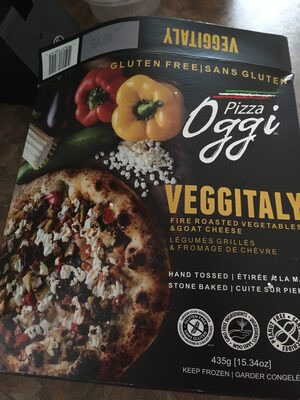
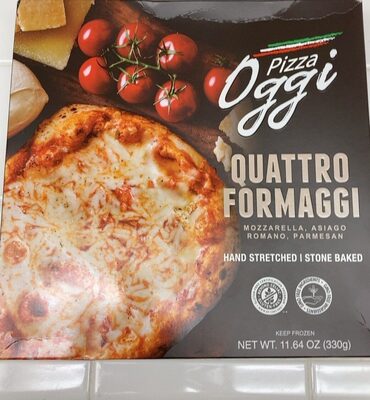
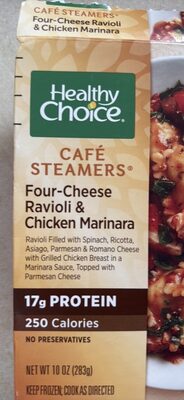
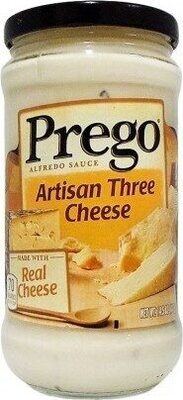
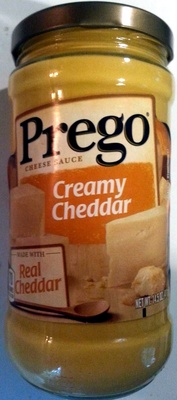
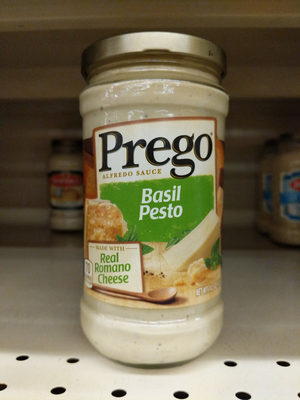
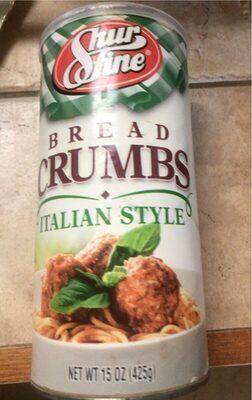
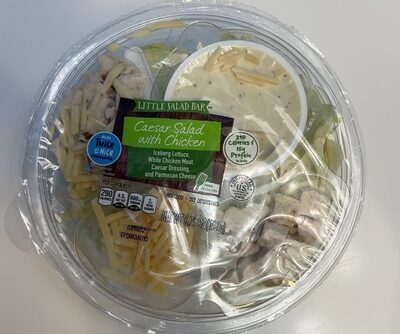
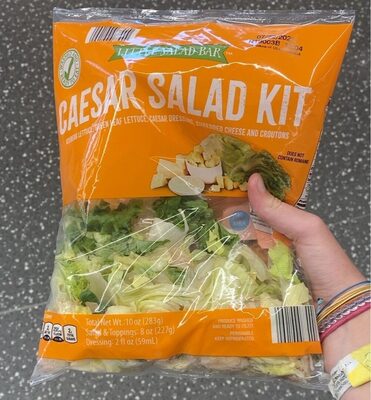
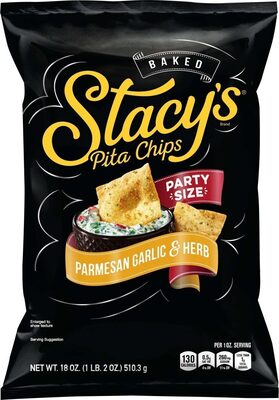
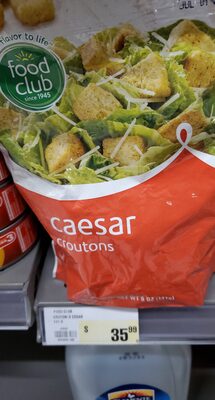
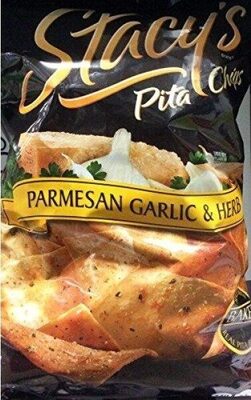
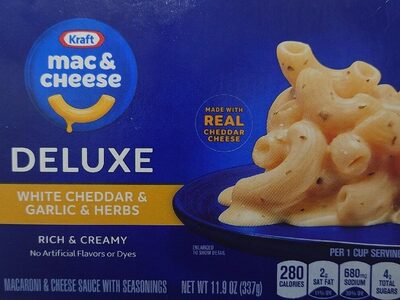
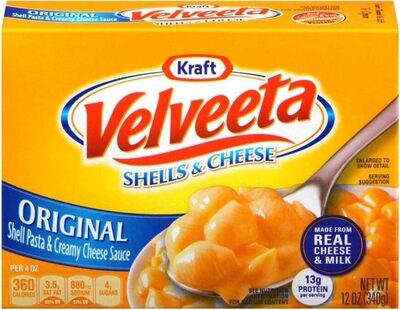
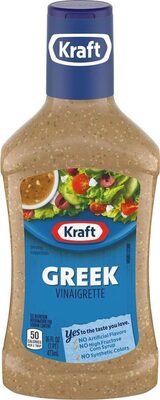
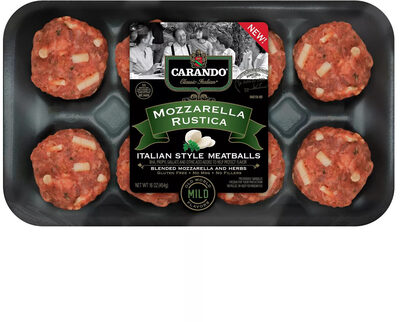
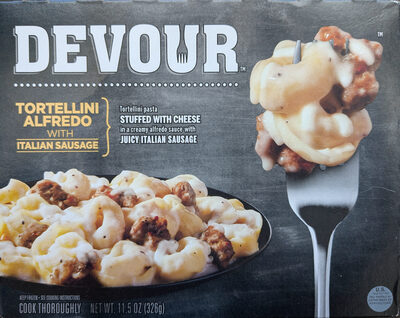
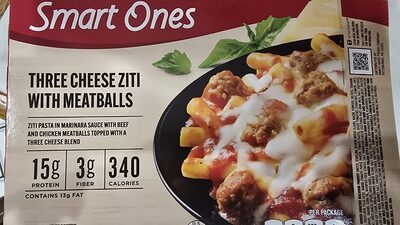
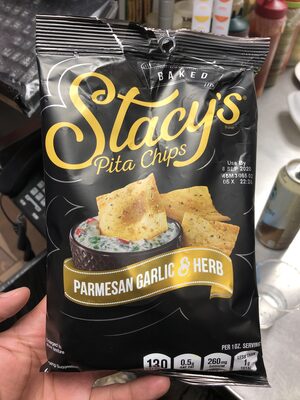
Foods that contain Part-skim Milk
Compare products →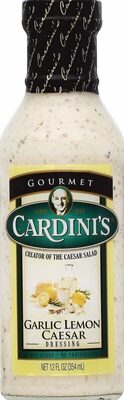
Learn more
Auto-generated content. This description was generated automatically and is pending editorial review. Inaccuracies are possible. Found a mistake? Contact us.