Pasteurized Grade A Skim Milk
What is Pasteurized Grade A Skim Milk?
Pasteurized Grade A Skim Milk is cow's milk that has had most of its fat and water removed. It is heated to kill harmful bacteria and then cooled. Grade A indicates it meets high standards for quality and safety.
Is Pasteurized Grade A Skim Milk vegan?
No. Pasteurized Grade A Skim Milk is animal-derived, so it is not vegan.
Is Pasteurized Grade A Skim Milk gluten-free?
Gluten is not present.
Is Pasteurized Grade A Skim Milk a major allergen?
Milk is one of the 9 major food allergens identified by the FDA.
What is Pasteurized Grade A Skim Milk used for?
Manufacturers use skim milk as a low-fat base for dairy products like yogurt and cheese, and in beverages.
Is Pasteurized Grade A Skim Milk safe?
Pasteurized Grade A Skim Milk is generally recognized as safe (GRAS) by the FDA.
Why it's used
Manufacturers use skim milk as a low-fat base for dairy products like yogurt and cheese, and in beverages. It adds protein and calcium to foods like dips, sauces, and baked goods without adding fat.
Health notes
Pasteurized Grade A Skim Milk is generally recognized as safe (GRAS) by the FDA. It is a source of protein, calcium, and vitamin D (if fortified). The WHO/IARC has not classified milk or its components. JECFA has evaluated milk and milk products, and set acceptable daily intakes for certain components.
Allergen info
Milk is one of the 9 major food allergens identified by the FDA. Gluten is not present.
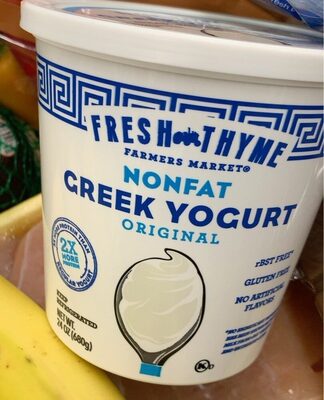
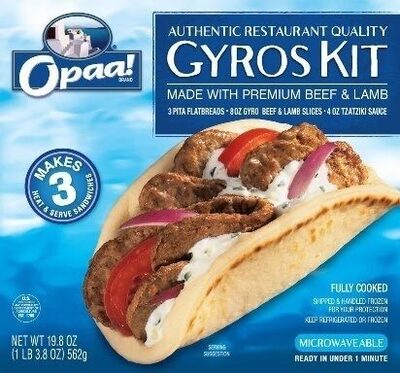
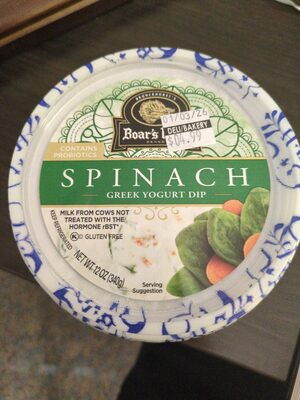
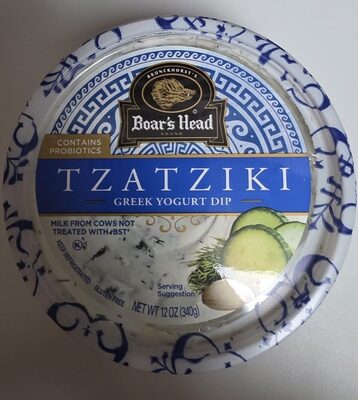
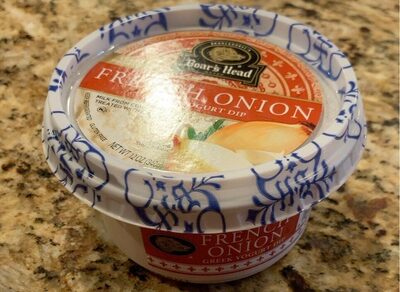
Foods that contain Pasteurized Grade A Skim Milk
Compare products →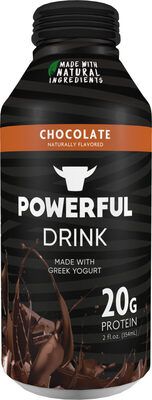
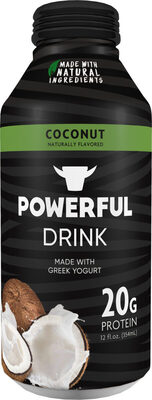
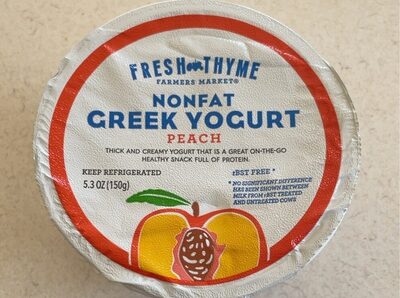
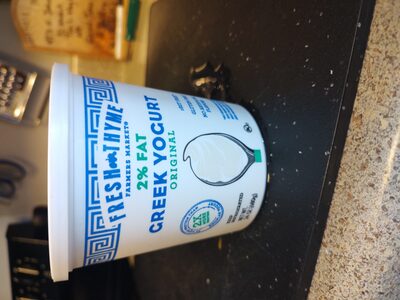
Learn more
Auto-generated content. This description was generated automatically and is pending editorial review. Inaccuracies are possible. Found a mistake? Contact us.