Pasteurized Organic Nonfat Milk
What is Pasteurized Organic Nonfat Milk?
Pasteurized organic nonfat milk is milk from cows raised on organic farms that have not been treated with antibiotics or growth hormones. The milk is pasteurized, a process of heating to kill harmful bacteria, and the fat has been removed.
Is Pasteurized Organic Nonfat Milk vegan?
No. Pasteurized Organic Nonfat Milk is animal-derived, so it is not vegan.
Is Pasteurized Organic Nonfat Milk gluten-free?
It does not contain gluten.
Is Pasteurized Organic Nonfat Milk a major allergen?
Milk is one of the 9 FDA major allergens.
What is Pasteurized Organic Nonfat Milk used for?
Manufacturers use it as a base for dairy products, adding protein and calcium while keeping fat content low.
Is Pasteurized Organic Nonfat Milk safe?
Pasteurized organic nonfat milk is a source of protein, calcium, and vitamin D.
Why it's used
Manufacturers use it as a base for dairy products, adding protein and calcium while keeping fat content low. It is commonly found in yogurt, ice cream, frozen yogurt, and as a beverage.
Health notes
Pasteurized organic nonfat milk is a source of protein, calcium, and vitamin D. The FDA considers milk a major food allergen. Regulatory bodies like the WHO/FAO's Codex Alimentarius have established standards for milk and milk products. Consuming milk and dairy products is a common dietary practice in the US.
Allergen info
Milk is one of the 9 FDA major allergens. It does not contain gluten.
Foods that contain Pasteurized Organic Nonfat Milk
Compare products →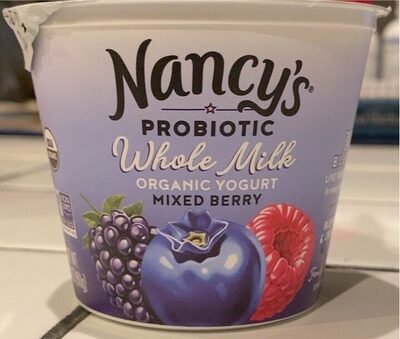
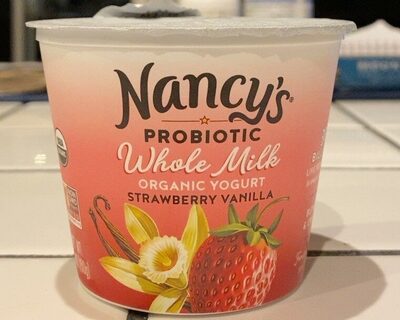
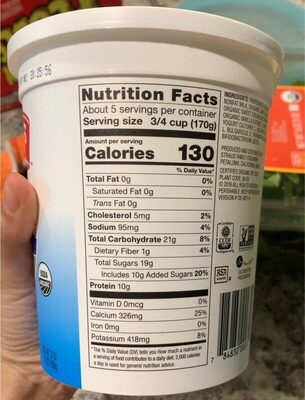
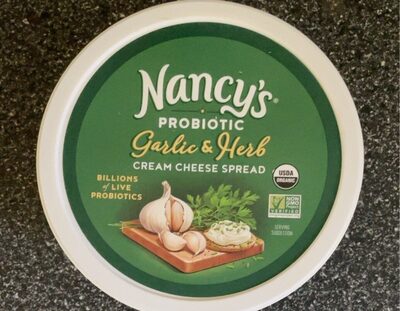
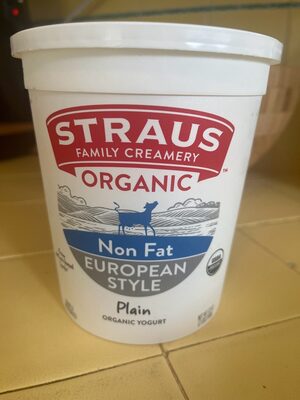
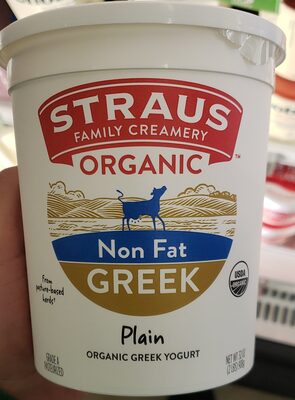
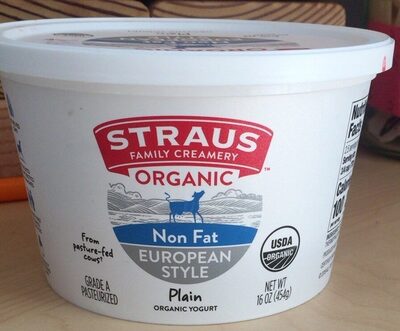
Learn more
Auto-generated content. This description was generated automatically and is pending editorial review. Inaccuracies are possible. Found a mistake? Contact us.