Pasteurized Process Swiss American Cheese
What is Pasteurized Process Swiss American Cheese?
Pasteurized process Swiss American cheese is a blend of Swiss and American cheeses that have been heated and mixed with an emulsifier. This process makes the cheese smoother, meltier, and more stable than natural cheese. It is often used in processed foods where consistent texture and meltability are desired.
Is Pasteurized Process Swiss American Cheese vegan?
No. Pasteurized Process Swiss American Cheese is animal-derived, so it is not vegan.
Is Pasteurized Process Swiss American Cheese gluten-free?
It does not contain gluten.
Is Pasteurized Process Swiss American Cheese a major allergen?
Pasteurized process Swiss American cheese is derived from milk, which is one of the FDA's 9 major allergens.
What is Pasteurized Process Swiss American Cheese used for?
Manufacturers add pasteurized process Swiss American cheese for its smooth texture, good melting properties, and mild flavor.
Is Pasteurized Process Swiss American Cheese safe?
Pasteurized process Swiss American cheese is generally recognized as safe (GRAS) by the FDA.
Why it's used
Manufacturers add pasteurized process Swiss American cheese for its smooth texture, good melting properties, and mild flavor. It is commonly found in frozen breakfast sandwiches, biscuits, prepared meals, and appetizers where it contributes to a creamy and satisfying mouthfeel.
Health notes
Pasteurized process Swiss American cheese is generally recognized as safe (GRAS) by the FDA. It is a source of calcium and protein. The Joint FAO/WHO Expert Committee on Food Additives (JECFA) has evaluated cheese and its derivatives. No significant health concerns are associated with its consumption at typical dietary levels.
Allergen info
Pasteurized process Swiss American cheese is derived from milk, which is one of the FDA's 9 major allergens. It does not contain gluten.
Foods that contain Pasteurized Process Swiss American Cheese
Compare products →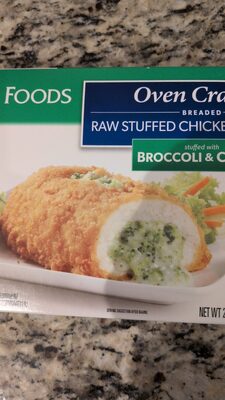
Learn more
Auto-generated content. This description was generated automatically and is pending editorial review. Inaccuracies are possible. Found a mistake? Contact us.