Pasturized Cream
What is Pasturized Cream?
Pasteurized cream is the high-fat part of milk that has been heated to a specific temperature for a set time (pasteurization). This heating process kills harmful bacteria, making the cream safer to consume and extending its shelf life. It is separated from whole milk through a process called centrifugation.
Is Pasturized Cream vegan?
No. Pasturized Cream is animal-derived, so it is not vegan.
Is Pasturized Cream a major allergen?
Cream is derived from milk, which is one of the nine major food allergens identified by the FDA.
What is Pasturized Cream used for?
Manufacturers add pasteurized cream to foods to provide a rich, creamy texture and flavor.
Is Pasturized Cream safe?
Pasteurized cream is a common food ingredient and is generally recognized as safe for consumption.
Why it's used
Manufacturers add pasteurized cream to foods to provide a rich, creamy texture and flavor. It is often used in dairy products like butter and ice cream, as well as in baked goods, sauces, and desserts. It contributes to the overall mouthfeel and richness of many processed foods.
Health notes
Pasteurized cream is a common food ingredient and is generally recognized as safe for consumption. As a dairy product, it is a source of dietary fat, including saturated fat. The Dietary Guidelines for Americans (2025-2030) advise limiting saturated fat intake to less than 10% of daily calories. There are no specific regulatory concerns or controversies regarding pasteurized cream itself as an ingredient.
Allergen info
Cream is derived from milk, which is one of the nine major food allergens identified by the FDA.
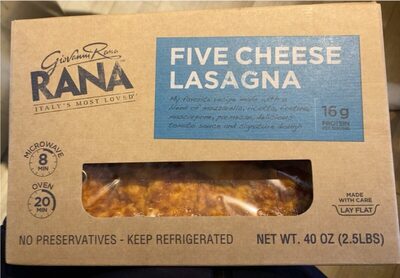
Foods that contain Pasturized Cream
Compare products →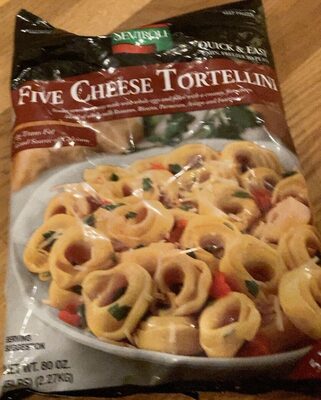

Learn more
Auto-generated content. This description was generated automatically and is pending editorial review. Inaccuracies are possible. Found a mistake? Contact us.