Peanut Sunflower Oil
What is Peanut Sunflower Oil?
Peanut sunflower oil is a blend of oils derived from peanuts and sunflowers. It is created by combining refined peanut oil and refined sunflower oil. The blend aims to leverage the flavor and nutritional profiles of both oils.
Is Peanut Sunflower Oil vegan?
Peanut Sunflower Oil is not animal-derived. Products that contain it can still include other animal-derived ingredients, so check the full ingredient list.
Is Peanut Sunflower Oil a major allergen?
Peanut sunflower oil is derived from peanuts, which are one of the 9 FDA major allergens.
What is Peanut Sunflower Oil used for?
Manufacturers use peanut sunflower oil as a cooking oil and a source of fat in food products.
Is Peanut Sunflower Oil safe?
Peanut sunflower oil is generally recognized as safe (GRAS) by the FDA for use in food.
Why it's used
Manufacturers use peanut sunflower oil as a cooking oil and a source of fat in food products. Its neutral flavor and relatively high smoke point make it suitable for frying, baking, and as an ingredient in dressings and sauces. It is often found in snack foods and baked goods.
Health notes
Peanut sunflower oil is generally recognized as safe (GRAS) by the FDA for use in food. It is a source of monounsaturated and polyunsaturated fats, which are considered healthy fats. The World Health Organization (WHO) and the European Food Safety Authority (EFSA) have evaluated fats and oils, but specific evaluations for blended oils like this are not typically detailed. Current research suggests that moderate consumption of unsaturated fats contributes to a healthy diet.
Allergen info
Peanut sunflower oil is derived from peanuts, which are one of the 9 FDA major allergens. Individuals with peanut allergies should avoid this ingredient.
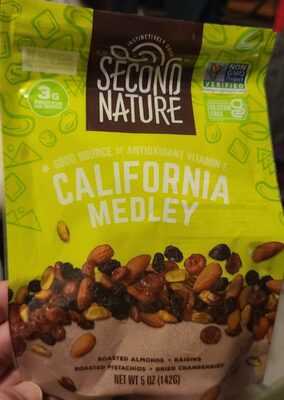
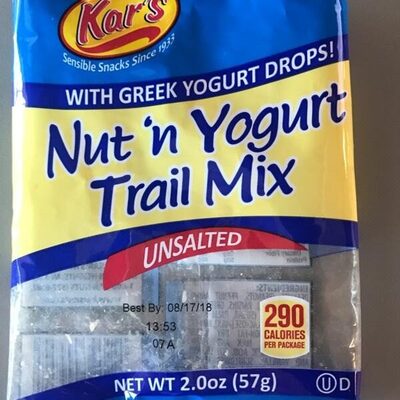
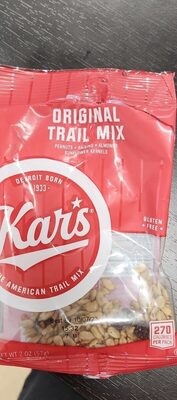
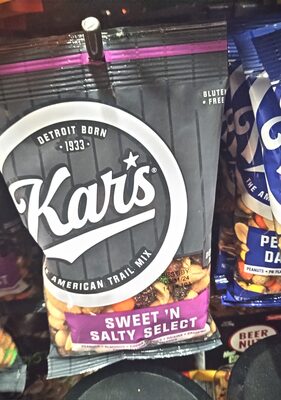
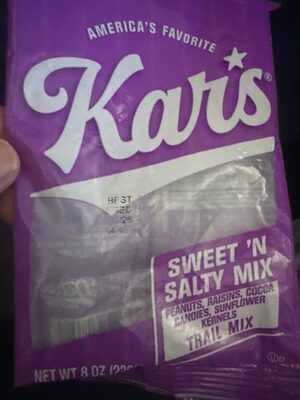
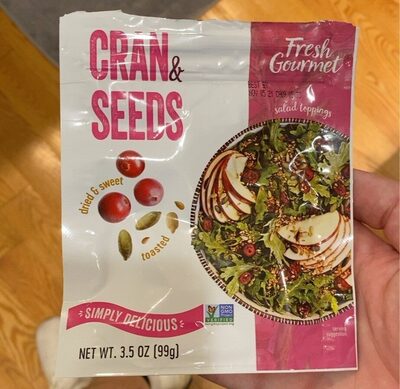
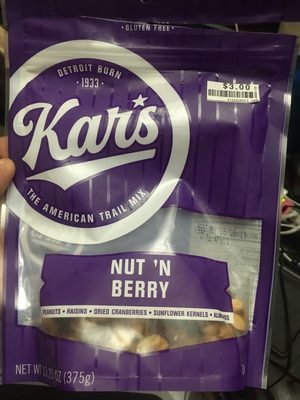
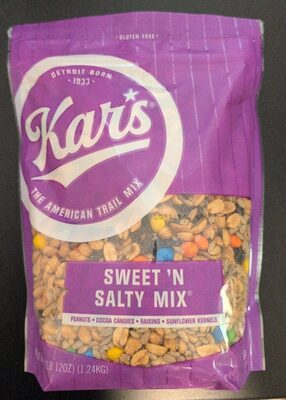
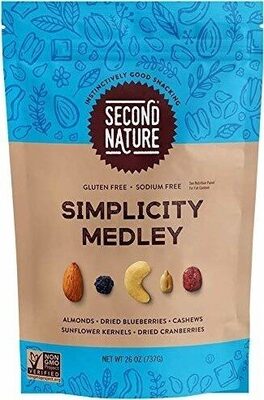
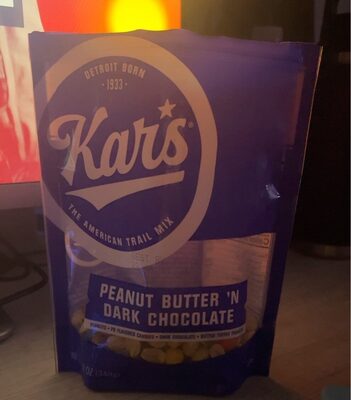
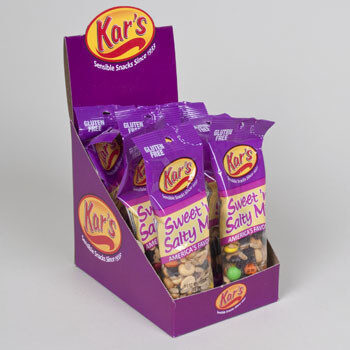
Foods that contain Peanut Sunflower Oil
Compare products →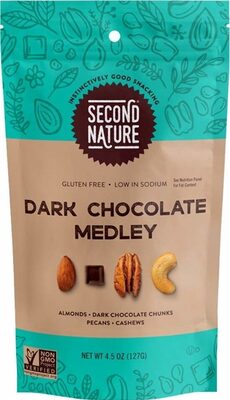
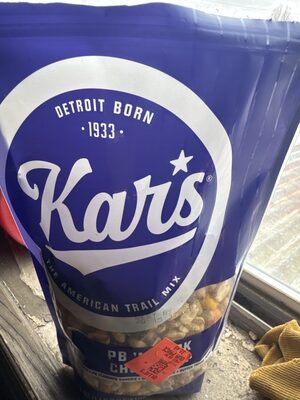
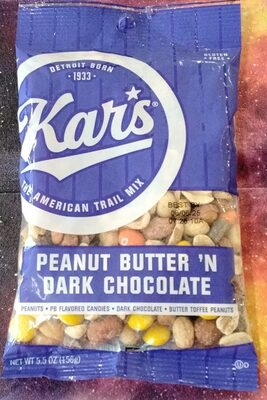
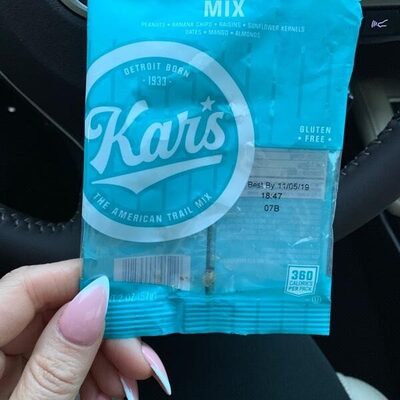
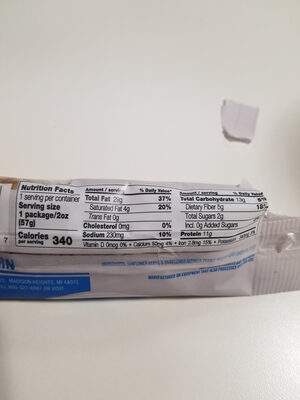
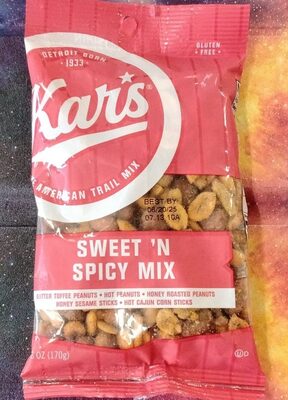
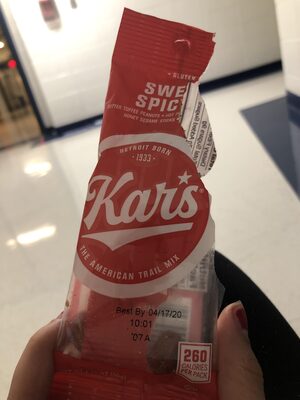
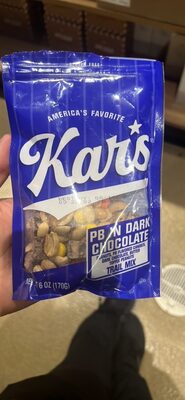
Learn more
Auto-generated content. This description was generated automatically and is pending editorial review. Inaccuracies are possible. Found a mistake? Contact us.