Pectin And Citric Acid
Auto-generated content. This description was generated automatically and is pending editorial review. Inaccuracies are possible. Found a mistake? Contact us.
What it is
Pectin is a natural carbohydrate found in the cell walls of fruits and vegetables, especially apples and citrus peels. It is typically extracted from these sources using hot water and acid, then purified and dried. Citric acid is a weak organic acid found naturally in citrus fruits like lemons and limes. It is commercially produced through the fermentation of carbohydrates by microorganisms.
Why it's used
Pectin is primarily used as a gelling agent, thickener, and stabilizer in jams, jellies, and preserves, helping them set to the desired consistency. Citric acid is used as an acidity regulator, flavor enhancer, and preservative, adding a tart taste and preventing spoilage in a wide range of products including beverages, candies, and canned fruits.
Health notes
Both pectin and citric acid are generally recognized as safe (GRAS) by the FDA for use in food. Pectin is a type of soluble fiber, and some studies suggest it may have benefits for digestive health and cholesterol levels, though more research is needed. JECFA has evaluated both substances and established acceptable daily intakes for citric acid. Evidence regarding adverse effects at typical consumption levels is mixed, with some studies noting potential digestive upset at very high intakes.
Allergen info
Neither pectin nor citric acid are derived from the nine FDA major allergens. Neither contains gluten.
Products containing Pectin And Citric Acid
Compare products →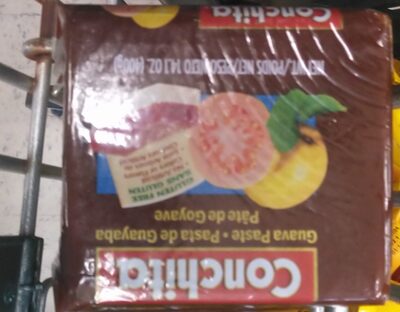 Conchita Foods, Inc.
Guava Paste
316kcal
0Protein
0Fat
73.7Carbs
Columbia Empire Farms, Inc.
America's Northwest, Premium Marion Blackberry Fruit Spread, Marion Blackberry, Marion Blackberry
300kcal
0Protein
0Fat
70Carbs
Conchita Foods, Inc.
Guava Paste
316kcal
0Protein
0Fat
73.7Carbs
Columbia Empire Farms, Inc.
America's Northwest, Premium Marion Blackberry Fruit Spread, Marion Blackberry, Marion Blackberry
300kcal
0Protein
0Fat
70Carbs
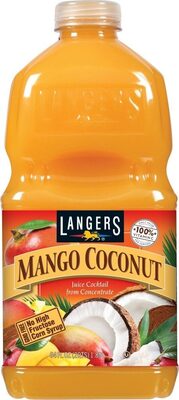 Langer Juice Company, Inc.
Langers, Juice Cocktail, Mango Coconut, Mango Coconut
46kcal
0Protein
0Fat
11.8Carbs
Brookshire Grocery Company
Jelly, Grape
250kcal
0Protein
0Fat
65Carbs
Brookshire Grocery Company
Jelly, Apple
250kcal
0Protein
0Fat
65Carbs
Brookshire Grocery Company
Jelly, Grape
250kcal
0Protein
0Fat
65Carbs
Made In Maui Trade Council
Tropics Ice Cream, Mango 'N Cream
High in saturated fat — 25% DV per serving
203kcal
4.3Protein
13.0Fat
23.2Carbs
T. J. Blackburn Syrup Works, Inc.
Jelly, Apple
250kcal
0Protein
0Fat
65Carbs
T. J. Blackburn Syrup Works, Inc.
Preserves, Apricot
250kcal
0Protein
0Fat
65Carbs
Tropical Preserving Co., Inc.
Jam Seedless, Strawberry
300kcal
0Protein
0Fat
70Carbs
Langer Juice Company, Inc.
Langers, Juice Cocktail, Mango Coconut, Mango Coconut
46kcal
0Protein
0Fat
11.8Carbs
Brookshire Grocery Company
Jelly, Grape
250kcal
0Protein
0Fat
65Carbs
Brookshire Grocery Company
Jelly, Apple
250kcal
0Protein
0Fat
65Carbs
Brookshire Grocery Company
Jelly, Grape
250kcal
0Protein
0Fat
65Carbs
Made In Maui Trade Council
Tropics Ice Cream, Mango 'N Cream
High in saturated fat — 25% DV per serving
203kcal
4.3Protein
13.0Fat
23.2Carbs
T. J. Blackburn Syrup Works, Inc.
Jelly, Apple
250kcal
0Protein
0Fat
65Carbs
T. J. Blackburn Syrup Works, Inc.
Preserves, Apricot
250kcal
0Protein
0Fat
65Carbs
Tropical Preserving Co., Inc.
Jam Seedless, Strawberry
300kcal
0Protein
0Fat
70Carbs