Penne Rigate Pasta
What is Penne Rigate Pasta?
Penne rigate is a type of pasta with a tube shape and ridges on the outside. It is made from durum wheat semolina and water, formed into tubes, and then cut diagonally at the ends. The ridges help the sauce cling to the pasta.
Is Penne Rigate Pasta vegan?
Penne Rigate Pasta is not animal-derived. Products that contain it can still include other animal-derived ingredients, so check the full ingredient list.
Is Penne Rigate Pasta gluten-free?
It also contains gluten.
Is Penne Rigate Pasta a major allergen?
Penne rigate is made from wheat, which is one of the 9 FDA major allergens.
What is Penne Rigate Pasta used for?
Penne rigate is a staple in many cuisines, especially Italian-American.
Is Penne Rigate Pasta safe?
Penne rigate is primarily a source of carbohydrates.
Why it's used
Penne rigate is a staple in many cuisines, especially Italian-American. Manufacturers use it as a base for pasta dishes, in soups, and in pasta salads. Its shape and texture make it versatile for holding various sauces.
Health notes
Penne rigate is primarily a source of carbohydrates. The FDA considers pasta made from enriched durum wheat semolina to be a safe and wholesome food. JECFA has evaluated durum wheat and found no safety concerns. Whole wheat versions offer more fiber and nutrients. At typical consumption levels, it is not associated with adverse health effects.
Allergen info
Penne rigate is made from wheat, which is one of the 9 FDA major allergens. It also contains gluten. Not suitable for individuals with celiac disease or gluten sensitivity.
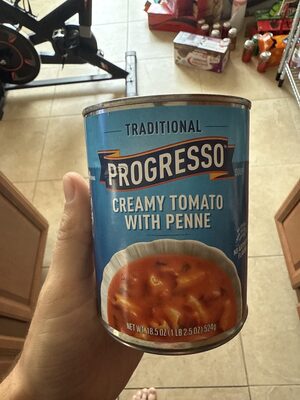
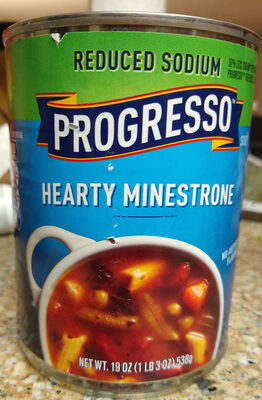
Foods that contain Penne Rigate Pasta
Compare products →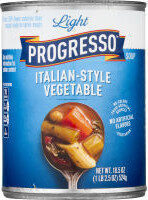
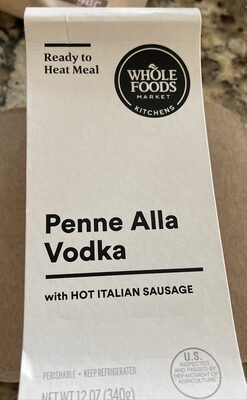
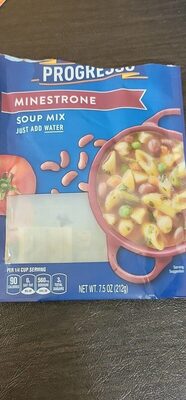
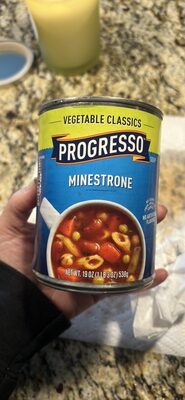
Learn more
Auto-generated content. This description was generated automatically and is pending editorial review. Inaccuracies are possible. Found a mistake? Contact us.