Peppercorns
What is Peppercorns?
Peppercorns are the dried berries of the Piper nigrum vine, native to South Asia. They are harvested when green, then dried, which causes them to turn black. Black pepper is one of the most widely traded spices globally.
Is Peppercorns vegan?
Peppercorns is not animal-derived. Products that contain it can still include other animal-derived ingredients, so check the full ingredient list.
Is Peppercorns gluten-free?
They do not contain gluten.
Is Peppercorns a major allergen?
Not a major allergen.
What is Peppercorns used for?
Peppercorns, ground into black pepper, are used to add a pungent, spicy flavor to a vast array of foods.
Is Peppercorns safe?
Black pepper is generally recognized as safe (GRAS) by the FDA for use as a spice and flavoring.
Why it's used
Peppercorns, ground into black pepper, are used to add a pungent, spicy flavor to a vast array of foods. They are a staple seasoning in both home cooking and commercial food production, enhancing savory dishes, soups, sauces, and even some desserts.
Health notes
Black pepper is generally recognized as safe (GRAS) by the FDA for use as a spice and flavoring. It contains piperine, which is responsible for its pungency and may affect nutrient absorption. International bodies like JECFA have evaluated it. Evidence does not suggest adverse health effects from typical dietary consumption.
Allergen info
Not a major allergen. Peppercorns are not derived from any of the 9 FDA major allergens. They do not contain gluten.
Foods that contain Peppercorns
Compare products →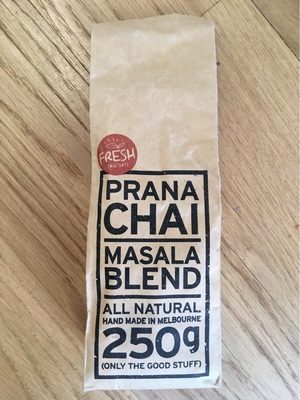

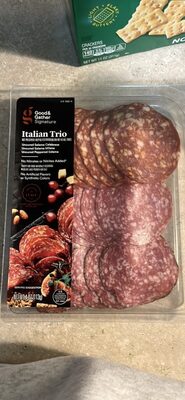
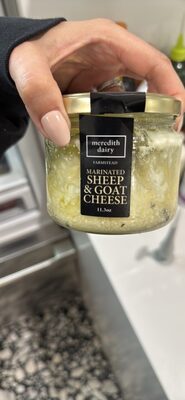
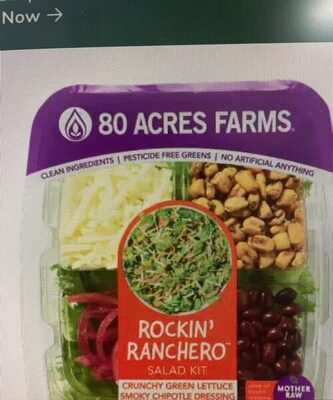
Learn more
Auto-generated content. This description was generated automatically and is pending editorial review. Inaccuracies are possible. Found a mistake? Contact us.