Ph Regulator
What is Ph Regulator?
pH regulators are substances used to control the acidity or alkalinity of foods. They can be naturally occurring or synthetically produced. Common examples include citric acid, lactic acid, and sodium bicarbonate.
Is Ph Regulator a major allergen?
Not a major allergen.
What is Ph Regulator used for?
Manufacturers use pH regulators to preserve food, enhance flavor, and control the texture of products.
Is Ph Regulator safe?
Many common pH regulators are generally recognized as safe (GRAS) by the FDA when used as intended.
Why it's used
Manufacturers use pH regulators to preserve food, enhance flavor, and control the texture of products. They are often found in processed foods like canned goods, baked goods, and beverages to maintain stability and prevent spoilage.
Health notes
Many common pH regulators are generally recognized as safe (GRAS) by the FDA when used as intended. International bodies like JECFA and EFSA have evaluated many of these substances. While generally safe in typical food amounts, excessive intake of certain acidic or alkaline substances could potentially affect tooth enamel or digestive comfort.
Allergen info
Not a major allergen.
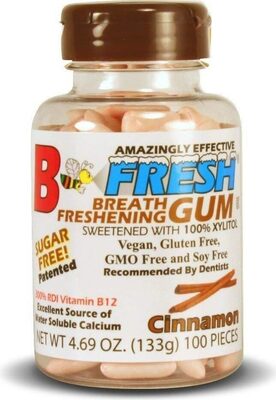
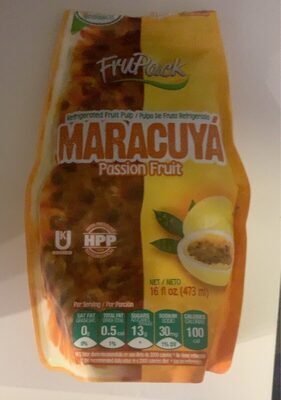
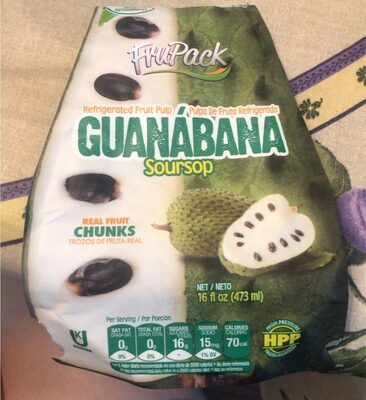
Foods that contain Ph Regulator
Compare products →
Auto-generated content. This description was generated automatically and is pending editorial review. Inaccuracies are possible. Found a mistake? Contact us.