Plant Stanol Esters
What is Plant Stanol Esters?
Plant stanol esters are made from plant sterols, which are naturally found in small amounts in fruits, vegetables, and grains. To create plant stanol esters, plant sterols are chemically modified and then combined with fatty acids derived from vegetable oils. This process makes them more easily absorbed by the body.
Is Plant Stanol Esters vegan?
Plant Stanol Esters is not animal-derived. Products that contain it can still include other animal-derived ingredients, so check the full ingredient list.
Is Plant Stanol Esters gluten-free?
Plant stanol esters are not derived from any of the nine major allergens and do not contain gluten.
What is Plant Stanol Esters used for?
Manufacturers add plant stanol esters to foods to help lower LDL ('bad') cholesterol.
Is Plant Stanol Esters safe?
Plant stanol esters are generally recognized as safe (GRAS) by the FDA for use in certain foods.
Why it's used
Manufacturers add plant stanol esters to foods to help lower LDL ('bad') cholesterol. They are most often found in spreads, margarines, and some dairy products. These foods are designed for consumers looking to manage their cholesterol levels.
Health notes
Plant stanol esters are generally recognized as safe (GRAS) by the FDA for use in certain foods. They work by blocking the absorption of cholesterol in the digestive tract. Regulatory bodies like EFSA have also evaluated plant sterols and stanols, acknowledging their cholesterol-lowering effects. Research generally supports their benefit for heart health when consumed regularly as part of a balanced diet.
Allergen info
Plant stanol esters are not derived from any of the nine major allergens and do not contain gluten.
Foods that contain Plant Stanol Esters
Compare products →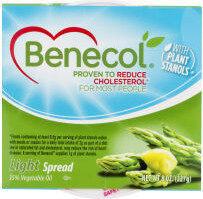
Learn more
Auto-generated content. This description was generated automatically and is pending editorial review. Inaccuracies are possible. Found a mistake? Contact us.