Pork Bellies
What is Pork Bellies?
Pork bellies are a cut of meat from the underside of a pig. This cut is known for its high fat content, which contributes to its flavor and texture. It is commonly cured and smoked to produce bacon.
Is Pork Bellies vegan?
No. Pork Bellies is animal-derived, so it is not vegan.
Is Pork Bellies a major allergen?
Pork belly is not considered a major allergen by the FDA.
What is Pork Bellies used for?
Pork bellies are primarily used to make bacon, a popular breakfast food and ingredient in many dishes.
Is Pork Bellies safe?
Pork belly is a whole food and not a food additive, so it is generally recognized as safe (GRAS) for consumption.
Why it's used
Pork bellies are primarily used to make bacon, a popular breakfast food and ingredient in many dishes. They are also incorporated into sausages, ribs, and other meat products to add rich flavor and moisture. Manufacturers use pork belly for its fat content and savory taste.
Health notes
Pork belly is a whole food and not a food additive, so it is generally recognized as safe (GRAS) for consumption. It is high in saturated fat; the 2025-2030 Dietary Guidelines for Americans recommend limiting saturated fat intake to less than 10% of daily calories. Processed meats, such as bacon made from pork belly, have been classified by the International Agency for Research on Cancer (IARC) as Group 1, meaning they are carcinogenic to humans. JECFA and EFSA do not typically evaluate whole foods like pork belly in the same manner as food additives.
Allergen info
Pork belly is not considered a major allergen by the FDA.
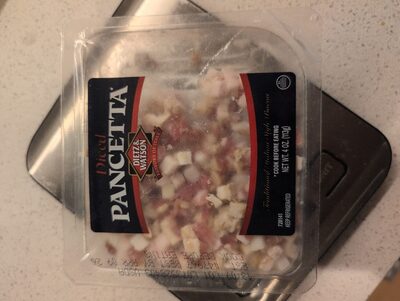
Foods that contain Pork Bellies
Compare products →
Learn more
Auto-generated content. This description was generated automatically and is pending editorial review. Inaccuracies are possible. Found a mistake? Contact us.