Protein Concentrate
What is Protein Concentrate?
Protein concentrate is a food ingredient made by removing non-protein components from a protein source. Common sources include milk, soy, eggs, or plants like peas and rice. The process concentrates the protein content, making it a more potent source of protein.
Is Protein Concentrate a major allergen?
Depending on the source, protein concentrates can be derived from major allergens like milk, eggs, or soy.
What is Protein Concentrate used for?
Manufacturers use protein concentrates to boost the protein content of foods without significantly altering texture or flavor.
Is Protein Concentrate safe?
Protein concentrates are generally recognized as safe (GRAS) by the FDA when used as intended.
Why it's used
Manufacturers use protein concentrates to boost the protein content of foods without significantly altering texture or flavor. They are often added to beverages, bars, baked goods, and dairy products to create 'high protein' or 'protein-fortified' options.
Health notes
Protein concentrates are generally recognized as safe (GRAS) by the FDA when used as intended. They are a concentrated source of protein, which is essential for building and repairing tissues. International bodies like JECFA have evaluated various protein sources, but specific evaluations for 'protein concentrate' as a general term are not typically assigned numeric limits. Evidence does not suggest adverse health effects from consuming typical amounts found in food.
Allergen info
Depending on the source, protein concentrates can be derived from major allergens like milk, eggs, or soy. Consumers should check product labels for specific allergen information.
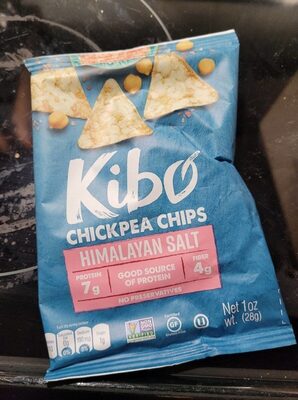
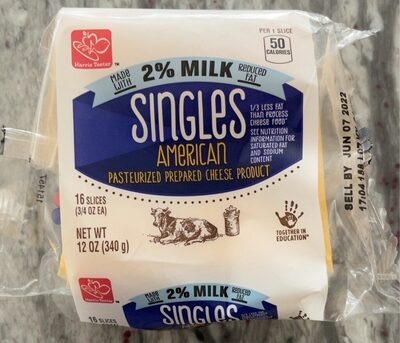
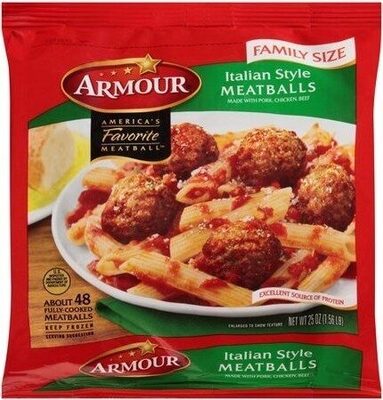
Foods that contain Protein Concentrate
Compare products →
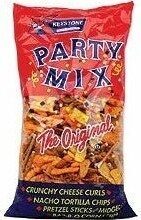
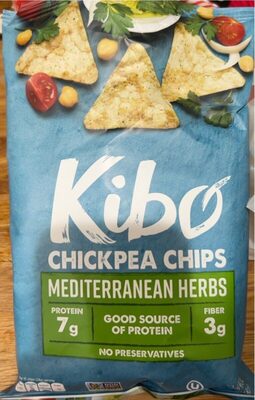
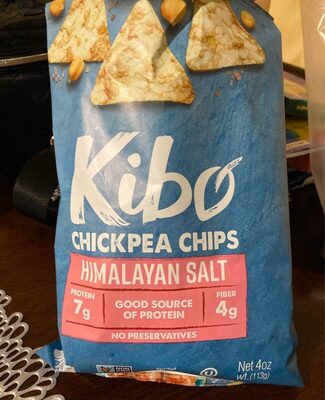
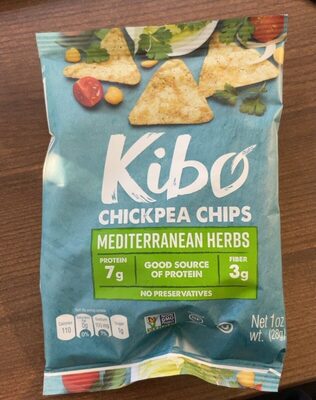

Learn more
Auto-generated content. This description was generated automatically and is pending editorial review. Inaccuracies are possible. Found a mistake? Contact us.