Red And Green Oak
What is Red And Green Oak?
Red and Green Oak is a type of oak leaf, specifically the leaves of the Quercus rubra (red oak) and Quercus alba (white oak) trees. These leaves are often dried and used for culinary purposes, particularly in pickling and preserving.
Is Red And Green Oak vegan?
Red And Green Oak is not animal-derived. Products that contain it can still include other animal-derived ingredients, so check the full ingredient list.
Is Red And Green Oak a major allergen?
Not a major allergen.
What is Red And Green Oak used for?
Manufacturers add Red and Green Oak leaves to foods like pickles, olives, and relishes to impart a distinct flavor and potentially aid in preservation.
Is Red And Green Oak safe?
Red and Green Oak leaves are generally recognized as safe when used as food ingredients.
Why it's used
Manufacturers add Red and Green Oak leaves to foods like pickles, olives, and relishes to impart a distinct flavor and potentially aid in preservation. They are also found in some deli salads and pre-packaged vegetable products.
Health notes
Red and Green Oak leaves are generally recognized as safe when used as food ingredients. The FDA has not established specific regulations for their use beyond general food safety standards. There is limited scientific research on the specific health effects of consuming these leaves at typical dietary levels. International bodies like JECFA and EFSA have not specifically evaluated these leaves for food additive purposes.
Allergen info
Not a major allergen.
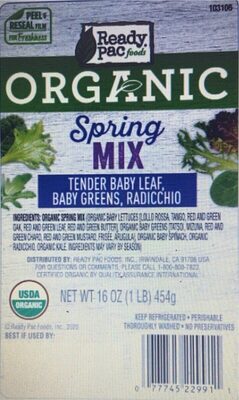
Foods that contain Red And Green Oak
Compare products →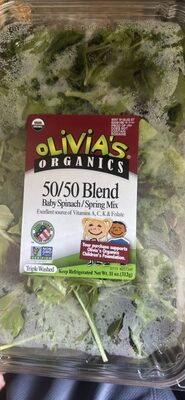
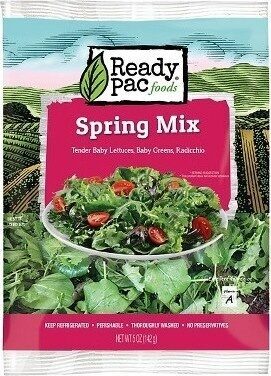
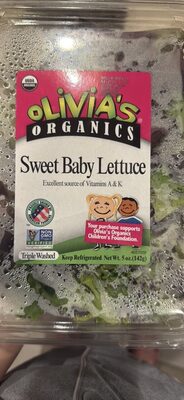
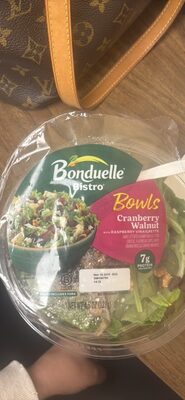
Auto-generated content. This description was generated automatically and is pending editorial review. Inaccuracies are possible. Found a mistake? Contact us.