Red Curry Paste
What is Red Curry Paste?
Red curry paste is a blend of spices and aromatics commonly used in Southeast Asian cooking, particularly Thai cuisine. Key ingredients typically include dried red chilies, garlic, shallots, galangal, lemongrass, and shrimp paste, all ground together into a paste.
Is Red Curry Paste vegan?
No. Red Curry Paste is animal-derived, so it is not vegan.
Is Red Curry Paste a major allergen?
Red curry paste may contain shellfish (shrimp paste), which is one of the nine FDA major allergens.
What is Red Curry Paste used for?
Manufacturers use red curry paste to impart a spicy, complex flavor and vibrant red color to foods.
Is Red Curry Paste safe?
Red curry paste is generally recognized as safe (GRAS) by the FDA when used as a food ingredient.
Why it's used
Manufacturers use red curry paste to impart a spicy, complex flavor and vibrant red color to foods. It is frequently found in sauces, marinades, soups, stews, and stir-fry dishes, adding a characteristic heat and aroma.
Health notes
Red curry paste is generally recognized as safe (GRAS) by the FDA when used as a food ingredient. The individual components of red curry paste have been evaluated by various health organizations. For example, chilies contain capsaicin, which has been studied for various physiological effects. Shrimp paste contains shellfish, which is a major allergen. No specific regulatory limits are set for red curry paste as a whole ingredient.
Allergen info
Red curry paste may contain shellfish (shrimp paste), which is one of the nine FDA major allergens. Consumers with shellfish allergies should check the ingredient list carefully.
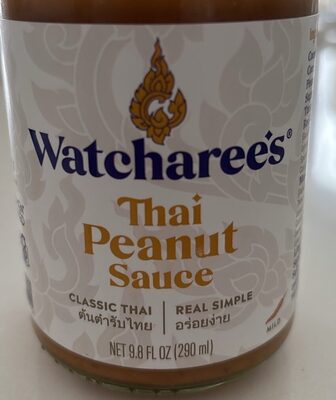
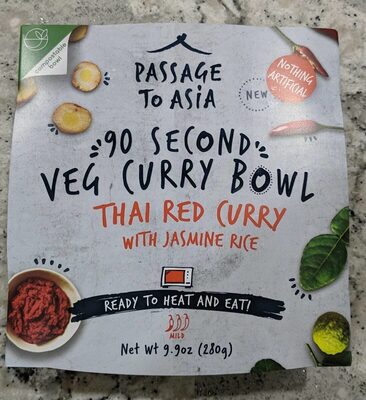
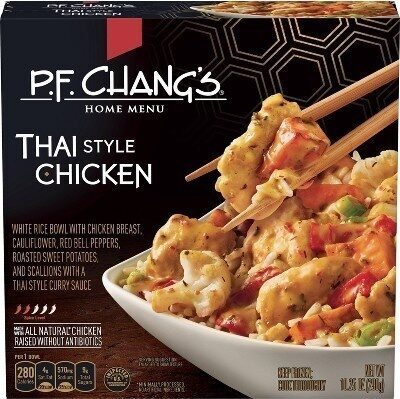
Foods that contain Red Curry Paste
Compare products →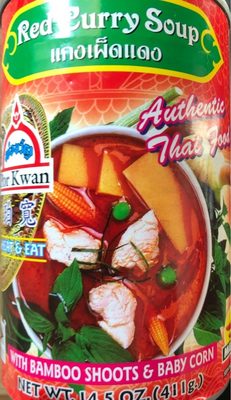
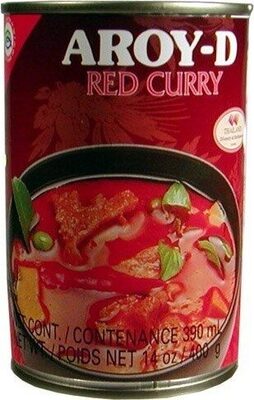
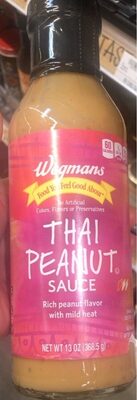
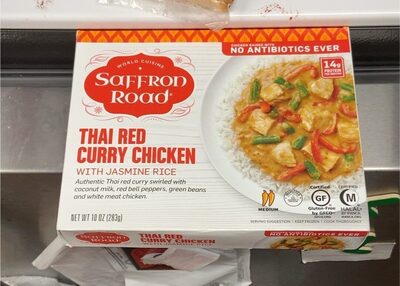
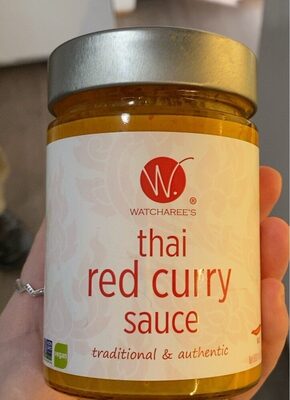
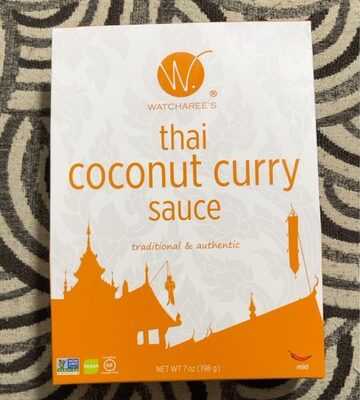
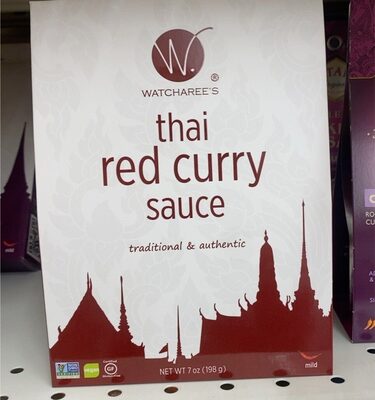
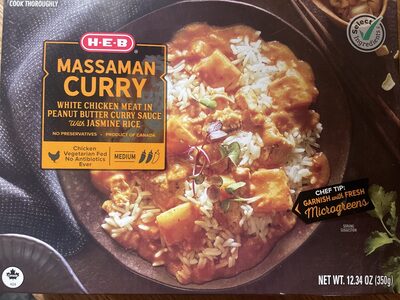
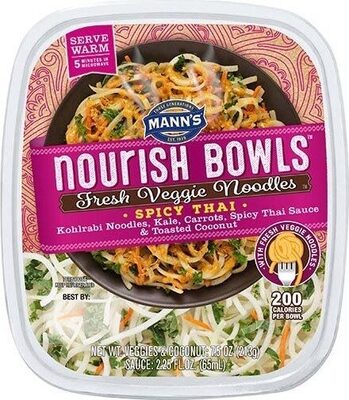
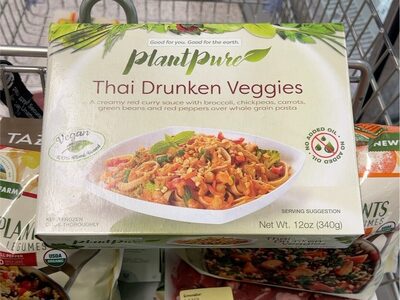
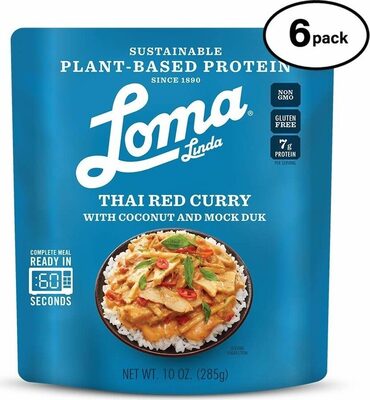
Learn more
Auto-generated content. This description was generated automatically and is pending editorial review. Inaccuracies are possible. Found a mistake? Contact us.