Reduced Mineral Whey
What is Reduced Mineral Whey?
Reduced mineral whey is a byproduct of cheesemaking. It is made by removing some of the minerals, primarily calcium and phosphorus, from liquid whey, which is the watery part of milk left after it has been curdled and strained. The remaining liquid is then dried to create a powder.
Is Reduced Mineral Whey vegan?
No. Reduced Mineral Whey is animal-derived, so it is not vegan.
Is Reduced Mineral Whey gluten-free?
It does not contain gluten.
Is Reduced Mineral Whey a major allergen?
Reduced mineral whey is derived from milk, making it a major allergen.
What is Reduced Mineral Whey used for?
Manufacturers add reduced mineral whey for its flavor and nutritional properties, acting as a source of protein and lactose.
Is Reduced Mineral Whey safe?
Reduced mineral whey is generally recognized as safe (GRAS) by the FDA for use in food.
Why it's used
Manufacturers add reduced mineral whey for its flavor and nutritional properties, acting as a source of protein and lactose. It is often used in baked goods like cakes and cookies, as well as in snack foods, confectionery, and dairy-based products to improve texture and taste.
Health notes
Reduced mineral whey is generally recognized as safe (GRAS) by the FDA for use in food. It is a source of dairy protein and lactose. International bodies like JECFA have evaluated whey components, but specific evaluations for reduced mineral whey's safety at typical intake levels are not widely publicized. As a dairy product, it is a common food allergen.
Allergen info
Reduced mineral whey is derived from milk, making it a major allergen. It does not contain gluten.
Foods that contain Reduced Mineral Whey
Compare products →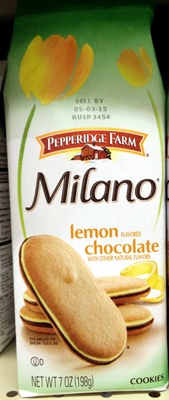

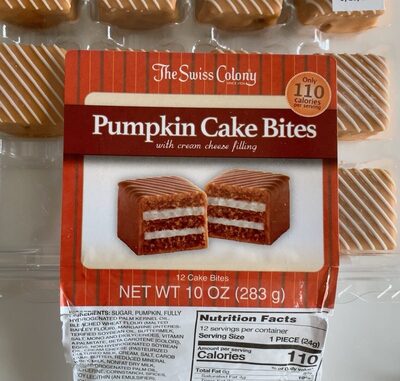

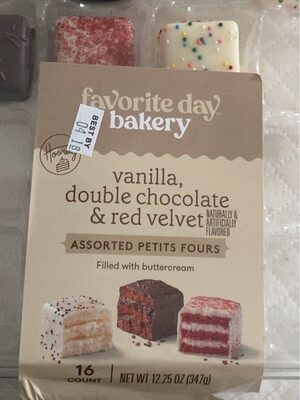
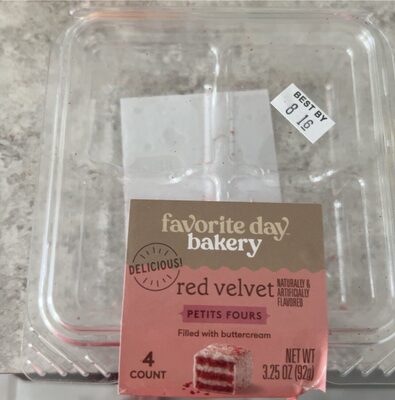
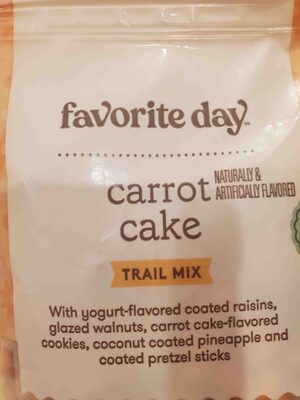

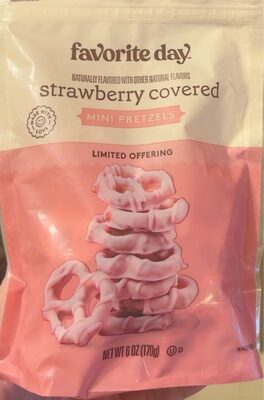
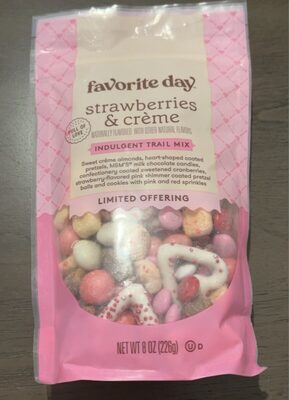
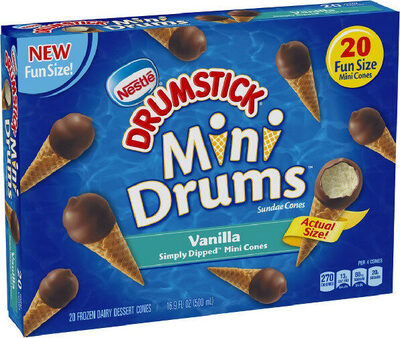
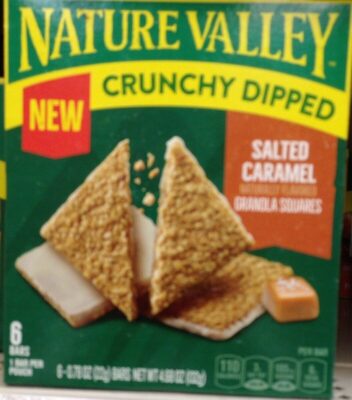
Learn more
Auto-generated content. This description was generated automatically and is pending editorial review. Inaccuracies are possible. Found a mistake? Contact us.