Relish
What is Relish?
Relish is a cooked and pickled condiment made from chopped vegetables, fruits, or herbs. Common ingredients include cucumbers, onions, peppers, sugar, vinegar, and spices. It is typically finely chopped and has a sweet and tangy flavor.
Is Relish vegan?
Relish is not animal-derived. Products that contain it can still include other animal-derived ingredients, so check the full ingredient list.
Is Relish a major allergen?
Relish is not typically derived from any of the 9 FDA major allergens.
What is Relish used for?
Relish is used to add flavor, texture, and acidity to a wide variety of foods.
Is Relish safe?
Relish is generally recognized as safe (GRAS) by the FDA when used as a food ingredient.
Why it's used
Relish is used to add flavor, texture, and acidity to a wide variety of foods. Its sweet and sour profile complements rich or fatty dishes. It is commonly found in condiments like ketchup and mustard, as well as in prepared salads, sandwiches, and dips.
Health notes
Relish is generally recognized as safe (GRAS) by the FDA when used as a food ingredient. The primary ingredients like vegetables, sugar, and vinegar are common food components. While specific health impacts of relish are not extensively studied, its sugar and sodium content should be considered as part of a balanced diet. Regulatory bodies like JECFA and EFSA have evaluated many individual components of relish, such as vinegar and sugar, but not relish as a distinct product.
Allergen info
Relish is not typically derived from any of the 9 FDA major allergens. However, always check the ingredient list for specific formulations, as some relishes may contain mustard (seeds or derived products) which is a potential allergen.
Foods that contain Relish
Compare products →
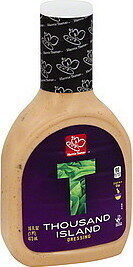
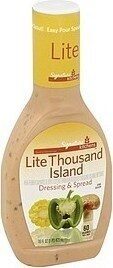
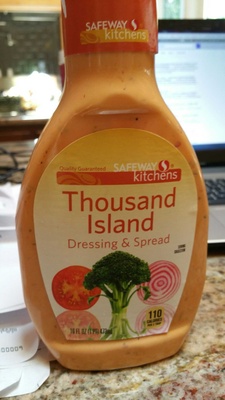
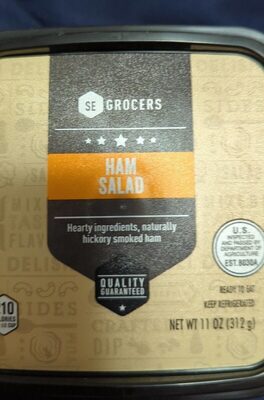
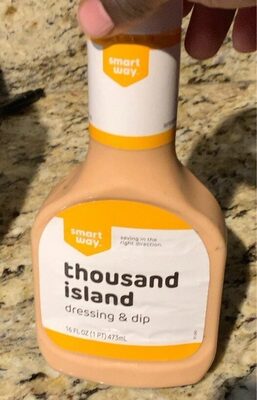
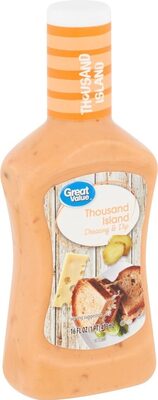 Great Value
Creamy Thousand Island Dressing, Creamy Thousand Island
300kcal
0Protein
23.3Fat
20Carbs


Auto-generated content. This description was generated automatically and is pending editorial review. Inaccuracies are possible. Found a mistake? Contact us.