Roasted Beef
What is Roasted Beef?
Roasted beef is beef that has been cooked by dry heat, typically in an oven. It is a common way to prepare beef for consumption, often resulting in a browned exterior and tender interior. The process can involve seasoning the beef before cooking.
Is Roasted Beef vegan?
No. Roasted Beef is animal-derived, so it is not vegan.
Is Roasted Beef gluten-free?
It does not contain gluten.
Is Roasted Beef a major allergen?
Beef is not one of the nine major allergens identified by the FDA.
What is Roasted Beef used for?
Roasted beef is used as a primary ingredient in dishes like pot pies, shepherd's pies, and beef stews.
Is Roasted Beef safe?
Roasted beef is a source of protein and various micronutrients.
Why it's used
Roasted beef is used as a primary ingredient in dishes like pot pies, shepherd's pies, and beef stews. It provides a savory, meaty flavor and texture to these foods. It is also sometimes used in deli meats and soups.
Health notes
Roasted beef is a source of protein and various micronutrients. The U.S. Food and Drug Administration (FDA) considers beef a safe food product when properly handled and cooked. Concerns about red meat consumption generally relate to saturated fat content and potential links to certain health conditions, though evidence is mixed and often depends on preparation methods and overall diet.
Allergen info
Beef is not one of the nine major allergens identified by the FDA. It does not contain gluten.
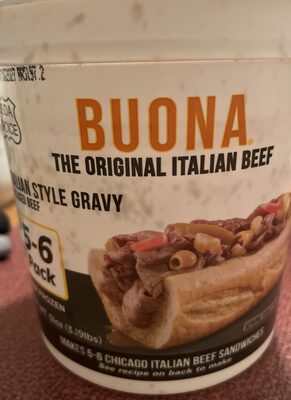
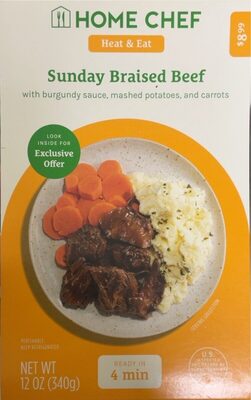
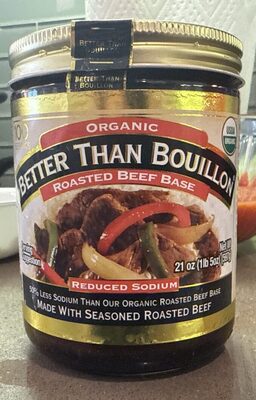
Foods that contain Roasted Beef
Compare products →





Learn more
Auto-generated content. This description was generated automatically and is pending editorial review. Inaccuracies are possible. Found a mistake? Contact us.