Roll
What is Roll?
A roll is a small, often round, baked bread product. It is typically made from flour, water, yeast, and salt, with optional additions like sugar, fat, or eggs. Rolls are a staple in many cuisines and can be leavened with yeast or chemical leaveners.
Is Roll gluten-free?
Rolls made with wheat flour contain gluten and are derived from wheat, which is one of the FDA's major allergens.
What is Roll used for?
Rolls serve as a base for sandwiches, a side dish for meals, or a snack.
Is Roll safe?
Rolls are a common food item and are generally recognized as safe by the FDA when consumed as part of a balanced diet.
Why it's used
Rolls serve as a base for sandwiches, a side dish for meals, or a snack. Manufacturers use them as a vehicle for various fillings and toppings, offering convenience and versatility in dishes like sliders and breakfast sandwiches.
Health notes
Rolls are a common food item and are generally recognized as safe by the FDA when consumed as part of a balanced diet. They are a source of carbohydrates and can contribute to energy intake. Regulatory bodies like JECFA and EFSA have evaluated many common bread ingredients. While some individuals may have sensitivities to gluten or other components, rolls themselves are not typically associated with significant health concerns at normal consumption levels.
Allergen info
Rolls made with wheat flour contain gluten and are derived from wheat, which is one of the FDA's major allergens. If other allergens like milk, egg, or soy are added, they will also be present.
Foods that contain Roll
Compare products →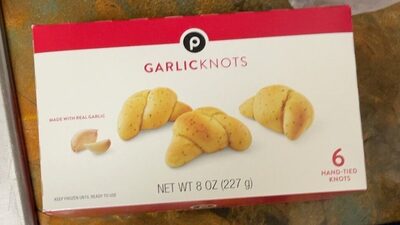
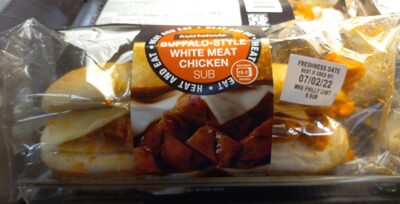
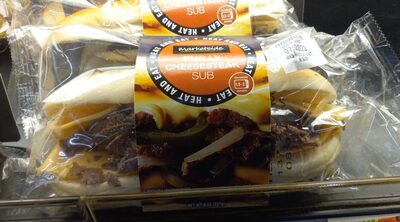
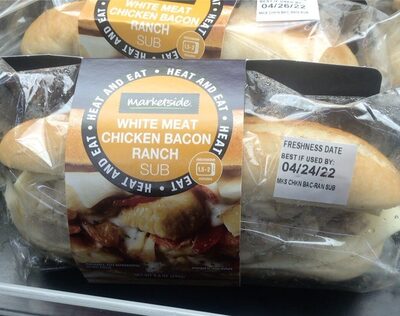
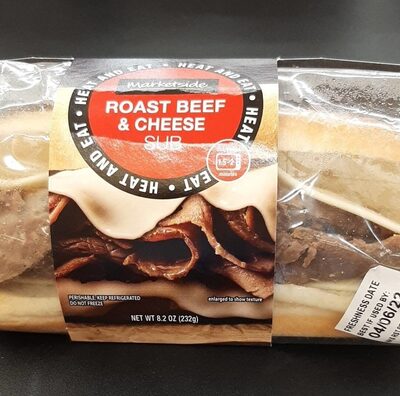
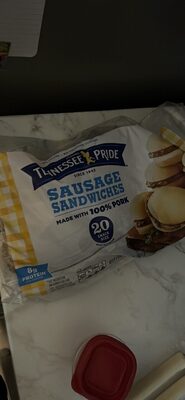
Learn more
Auto-generated content. This description was generated automatically and is pending editorial review. Inaccuracies are possible. Found a mistake? Contact us.