Romano And Asiago Cheese Blend
What is Romano And Asiago Cheese Blend?
Romano and Asiago cheese blend is a mix of two distinct Italian-style cheeses. Romano is typically made from cow's milk and has a hard, salty, and sharp flavor. Asiago is also usually made from cow's milk and can range from mild and creamy when young to sharp and crumbly when aged.
Is Romano And Asiago Cheese Blend vegan?
No. Romano And Asiago Cheese Blend is animal-derived, so it is not vegan.
Is Romano And Asiago Cheese Blend a major allergen?
Romano and Asiago cheese are derived from milk, which is one of the nine major allergens recognized by the FDA.
What is Romano And Asiago Cheese Blend used for?
This blend is used to add a complex, savory, and salty cheese flavor to a variety of foods.
Is Romano And Asiago Cheese Blend safe?
Romano and Asiago cheese blend is a food product and is not subject to specific FDA regulations as an additive.
Why it's used
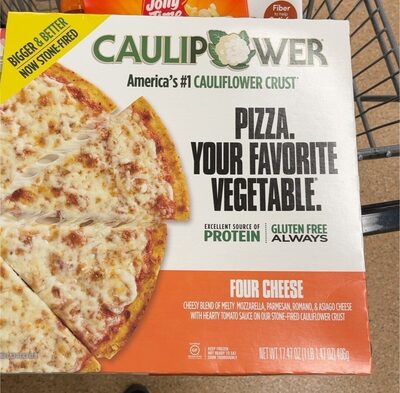
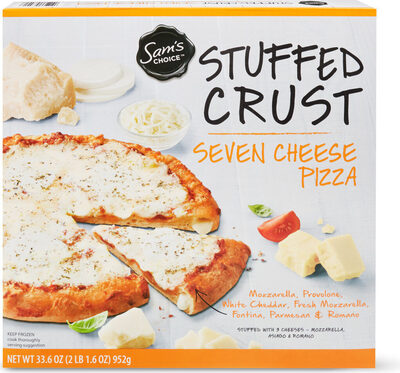
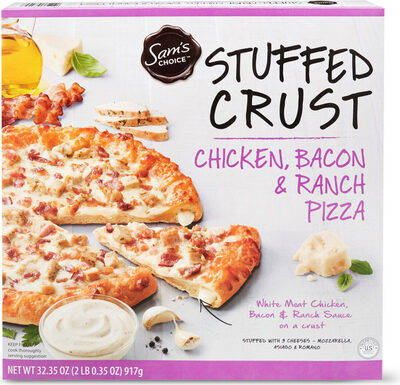
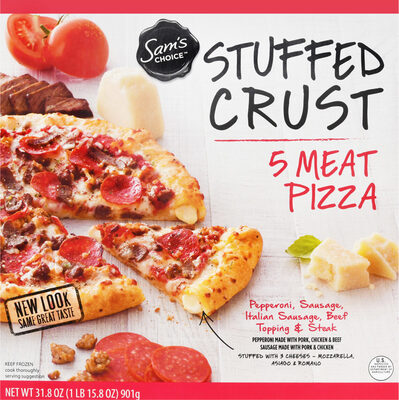
This blend is used to add a complex, savory, and salty cheese flavor to a variety of foods. Manufacturers often use it in frozen pizzas, breadsticks, garlic breads, and pasta dishes to enhance the overall taste and appeal.
Health notes
Romano and Asiago cheese blend is a food product and is not subject to specific FDA regulations as an additive. As a dairy product, it is a source of protein, calcium, and other nutrients. Consumption of cheese is generally considered safe as part of a balanced diet. Some individuals may be sensitive to dairy products or lactose.
Allergen info
Romano and Asiago cheese are derived from milk, which is one of the nine major allergens recognized by the FDA. Therefore, this blend is considered a major allergen.
Foods that contain Romano And Asiago Cheese Blend
Compare products →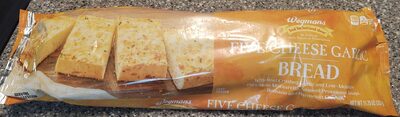
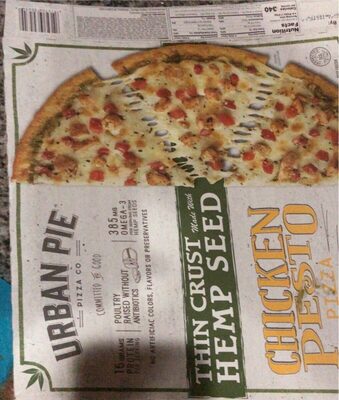
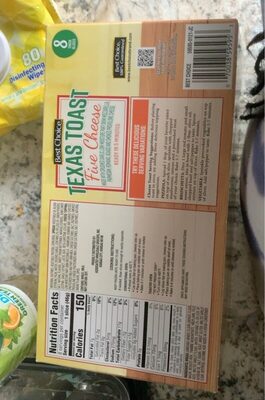
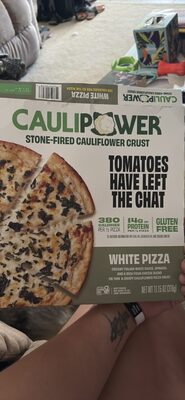
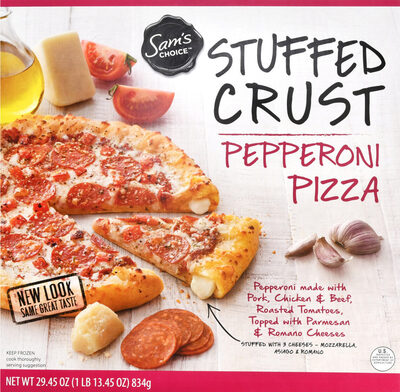
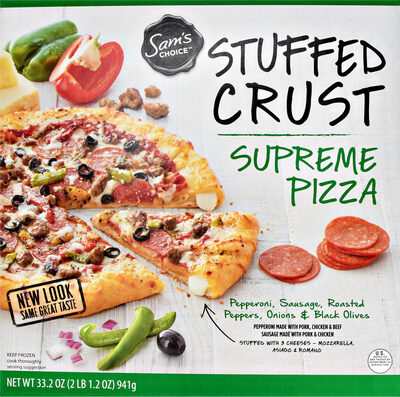
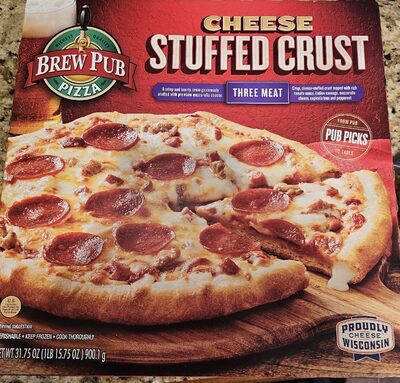
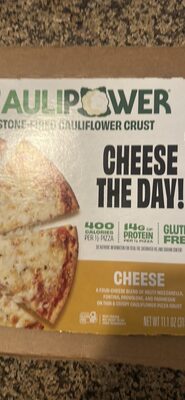
Learn more
Auto-generated content. This description was generated automatically and is pending editorial review. Inaccuracies are possible. Found a mistake? Contact us.