Romano And Parmesan Cheese
What is Romano And Parmesan Cheese?
Romano and Parmesan are hard, granular cheeses typically made from cow's milk (Parmesan) or sheep's milk (Romano). They are aged for extended periods, which develops their sharp, salty flavor and crumbly texture. The cheesemaking process involves curdling milk with rennet, draining the whey, pressing the curds, and aging.
Is Romano And Parmesan Cheese vegan?
No. Romano And Parmesan Cheese is animal-derived, so it is not vegan.
Is Romano And Parmesan Cheese gluten-free?
They do not contain gluten.
Is Romano And Parmesan Cheese a major allergen?
Both Romano and Parmesan cheeses are derived from milk, which is one of the nine major allergens recognized by the FDA.
What is Romano And Parmesan Cheese used for?
These cheeses are primarily used to add a rich, savory, and salty flavor to foods.
Is Romano And Parmesan Cheese safe?
Romano and Parmesan cheeses are considered safe and are widely consumed in the US.
Why it's used
These cheeses are primarily used to add a rich, savory, and salty flavor to foods. They are often grated or shaved over pasta dishes, pizzas, salads, and soups. Manufacturers also incorporate them into sauces, marinades, and baked goods for enhanced taste and aroma.
Health notes
Romano and Parmesan cheeses are considered safe and are widely consumed in the US. They are a good source of calcium and protein. Regulatory bodies like the FDA do not typically set specific limits for cheese consumption, as it is a whole food. While generally recognized as safe, high sodium content in some aged cheeses may be a concern for individuals monitoring their salt intake.
Allergen info
Both Romano and Parmesan cheeses are derived from milk, which is one of the nine major allergens recognized by the FDA. They do not contain gluten.
Foods that contain Romano And Parmesan Cheese
Compare products →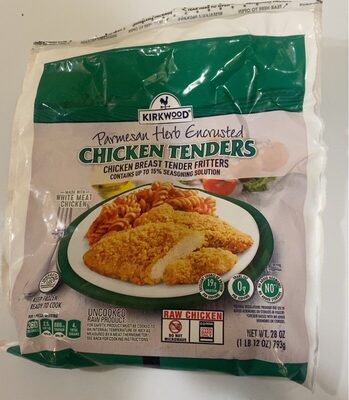
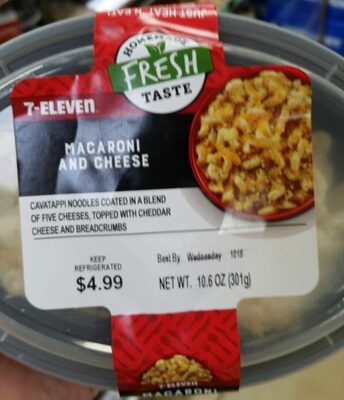
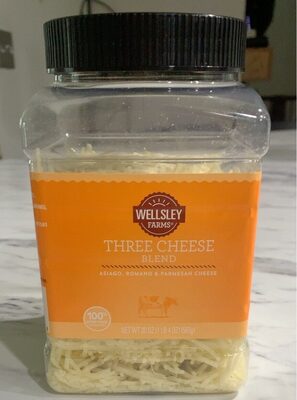
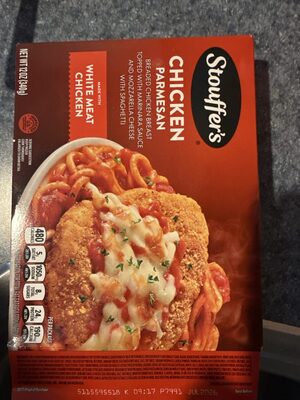
Learn more
Auto-generated content. This description was generated automatically and is pending editorial review. Inaccuracies are possible. Found a mistake? Contact us.