Sat
What is Sat?
Salt is a mineral composed primarily of sodium chloride (NaCl). It occurs naturally in deposits formed from evaporated ancient seas and is also harvested from seawater. Salt is extracted through mining or evaporation and is then purified for use in food.
Is Sat vegan?
Sat is not animal-derived. Products that contain it can still include other animal-derived ingredients, so check the full ingredient list.
Is Sat gluten-free?
It does not contain gluten.
Is Sat a major allergen?
Salt is not derived from any of the 9 FDA major allergens.
What is Sat used for?
Salt is a fundamental ingredient used to enhance flavor, act as a preservative by inhibiting microbial growth, and aid in texture modification in foods like pickles, sauces, and processed meats.
Is Sat safe?
Salt is essential for human health, but excessive intake is linked to high blood pressure.
Why it's used
Salt is a fundamental ingredient used to enhance flavor, act as a preservative by inhibiting microbial growth, and aid in texture modification in foods like pickles, sauces, and processed meats. It is also used in baking to control yeast activity and strengthen dough.
Health notes
Salt is essential for human health, but excessive intake is linked to high blood pressure. The FDA notes that reducing sodium intake can help manage blood pressure. JECFA has evaluated salt and established guidelines for its use. Evidence on the health effects of salt is extensive, with ongoing research into optimal intake levels.
Allergen info
Salt is not derived from any of the 9 FDA major allergens. It does not contain gluten.
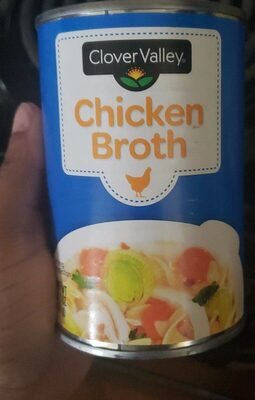
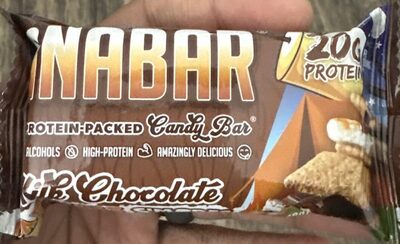
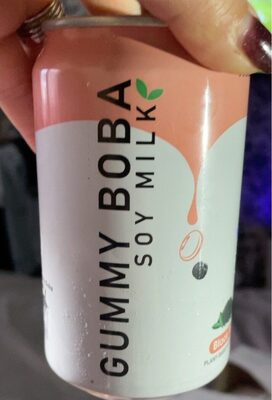
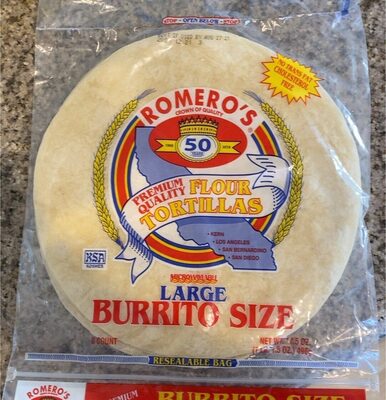
Foods that contain Sat
Compare products →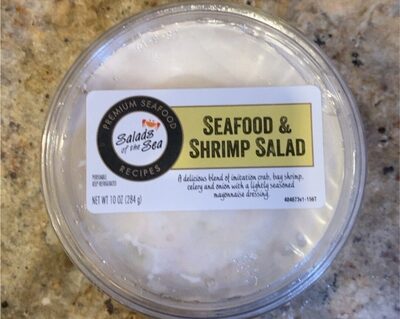

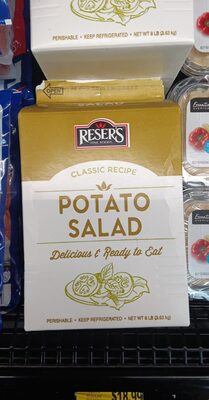
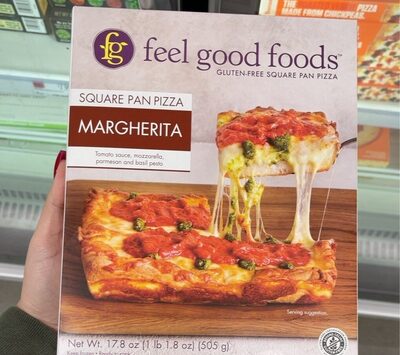

Auto-generated content. This description was generated automatically and is pending editorial review. Inaccuracies are possible. Found a mistake? Contact us.