Sauce: Extra Virgin Olive Oil
Auto-generated content. This description was generated automatically and is pending editorial review. Inaccuracies are possible. Found a mistake? Contact us.
What it is
Extra virgin olive oil is the highest grade of olive oil, made from the fruit of the olive tree. It is produced by mechanically pressing olives without the use of heat or chemicals, preserving its natural flavor and nutrients. It is a staple in Mediterranean cuisine.
Why it's used
Extra virgin olive oil is used as a cooking oil, a base for salad dressings, and a finishing oil for dishes. Manufacturers use it for its rich flavor and desirable mouthfeel. It is commonly found in pasta sauces, salad dressings, marinades, and as a component in baked goods.
Health notes
Extra virgin olive oil is generally recognized as safe (GRAS) by the FDA for use in food. It is a source of monounsaturated fatty acids and antioxidants, which have been linked to various health benefits in peer-reviewed studies. International bodies like EFSA have evaluated olive oil and its components. Evidence suggests that regular consumption as part of a balanced diet may support heart health.
Allergen info
Extra virgin olive oil is not derived from any of the nine FDA major allergens. It does not contain gluten.
Products containing Sauce: Extra Virgin Olive Oil
Compare products →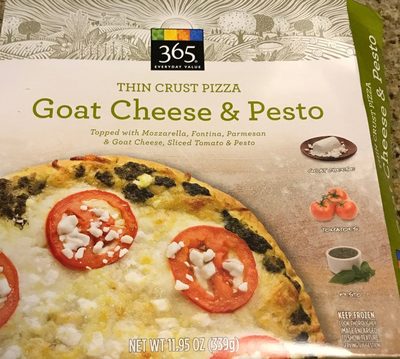 Whole Foods Market, Inc.
Goat Cheese & Pesto Thin Crust Pizza, Goat Cheese & Pesto
High in sodium — 27% DV per serving
High in saturated fat — 30% DV per serving
283kcal
11.5Protein
13.3Fat
30.1Carbs
Green Chemical Products Inc.
White & Red Quinoa With Vegetables In A Seasoned Sauce
157kcal
5Protein
5.7Fat
22.9Carbs
Wakefern Food Corporation
Margherita Made With Fresh Roma Tomatoes, Basil, Olive Oil And Mozzarella Gluten Free Pizza, Margherita
High in saturated fat — 30% DV per serving
277kcal
7.6Protein
16.8Fat
24.4Carbs
Whole Foods Market, Inc.
Goat Cheese & Pesto Thin Crust Pizza, Goat Cheese & Pesto
High in sodium — 27% DV per serving
High in saturated fat — 30% DV per serving
283kcal
11.5Protein
13.3Fat
30.1Carbs
Green Chemical Products Inc.
White & Red Quinoa With Vegetables In A Seasoned Sauce
157kcal
5Protein
5.7Fat
22.9Carbs
Wakefern Food Corporation
Margherita Made With Fresh Roma Tomatoes, Basil, Olive Oil And Mozzarella Gluten Free Pizza, Margherita
High in saturated fat — 30% DV per serving
277kcal
7.6Protein
16.8Fat
24.4Carbs