Seasoning Whey
What is Seasoning Whey?
Whey is a liquid byproduct of cheesemaking. Seasoning whey is typically dried whey that has been flavored with spices, salt, and other ingredients to create a seasoning blend. It is often used to add a savory, cheesy, or tangy flavor to foods.
Is Seasoning Whey vegan?
No. Seasoning Whey is animal-derived, so it is not vegan.
Is Seasoning Whey gluten-free?
It is not gluten-containing.
Is Seasoning Whey a major allergen?
Whey is derived from milk, which is one of the nine major allergens recognized by the FDA.
What is Seasoning Whey used for?
Manufacturers add seasoning whey to provide flavor and enhance the taste of savory snacks and meals.
Is Seasoning Whey safe?
Whey is generally recognized as safe (GRAS) by the U.S. Food and Drug Administration (FDA) when used as a food ingredient.
Why it's used
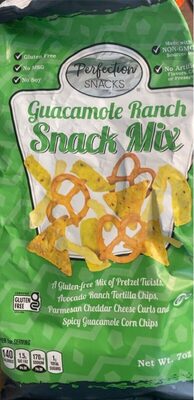
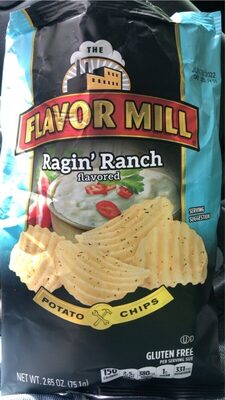
Manufacturers add seasoning whey to provide flavor and enhance the taste of savory snacks and meals. It is commonly found in potato chips, pretzels, popcorn, snack mixes, and some prepared dinners.
Health notes
Whey is generally recognized as safe (GRAS) by the U.S. Food and Drug Administration (FDA) when used as a food ingredient. It is a source of protein and other nutrients. International bodies like JECFA and EFSA have evaluated whey products. At typical consumption levels in seasoned foods, it is not associated with adverse health effects.
Allergen info
Whey is derived from milk, which is one of the nine major allergens recognized by the FDA. It is not gluten-containing.
Foods that contain Seasoning Whey
Compare products →


 Better Made
Jalapeno Cheddar Flavored Popcorn, Jalapeno Cheddar
607kcal
7.1Protein
46.4Fat
42.9Carbs







Learn more
Auto-generated content. This description was generated automatically and is pending editorial review. Inaccuracies are possible. Found a mistake? Contact us.