Sirloin Beef
What is Sirloin Beef?
Sirloin beef is a cut of meat from the sirloin primal section of cattle. It is known for being relatively lean and tender. In packaged foods, it is typically cooked, diced, or shredded before being added.
Is Sirloin Beef vegan?
No. Sirloin Beef is animal-derived, so it is not vegan.
Is Sirloin Beef a major allergen?
Beef is not considered one of the nine major food allergens identified by the FDA.
What is Sirloin Beef used for?
Manufacturers add sirloin beef to food products primarily as a source of protein and for its savory flavor and texture.
Is Sirloin Beef safe?
Sirloin beef is a whole food, not a food additive, and therefore does not have an FDA regulatory status like GRAS or an approved additive.
Why it's used
Manufacturers add sirloin beef to food products primarily as a source of protein and for its savory flavor and texture. It is frequently used in prepared meals, canned and frozen soups, and stews.
Health notes
Sirloin beef is a whole food, not a food additive, and therefore does not have an FDA regulatory status like GRAS or an approved additive. It is a good source of protein, iron, and B vitamins. The 2025-2030 Dietary Guidelines for Americans recommend limiting saturated fat intake to less than 10% of daily calories, and some cuts of beef can contribute to saturated fat intake. The International Agency for Research on Cancer (IARC) has classified the consumption of red meat as 'probably carcinogenic to humans' (Group 2A) based on limited evidence.
Allergen info
Beef is not considered one of the nine major food allergens identified by the FDA.
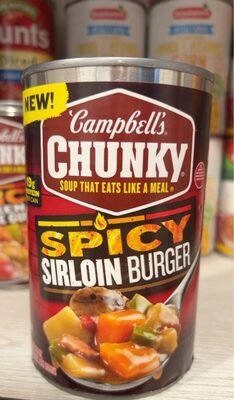
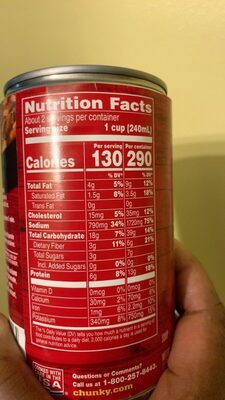
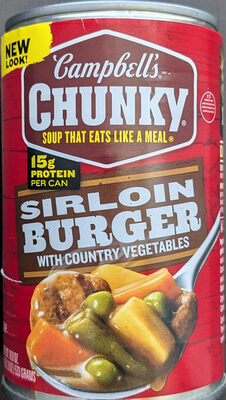
Foods that contain Sirloin Beef
Compare products →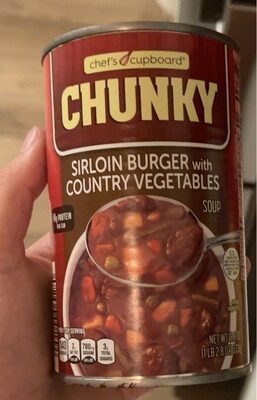
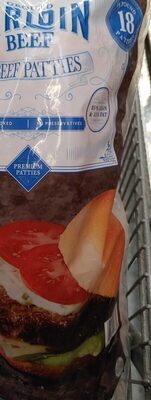
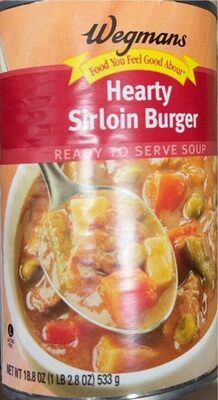

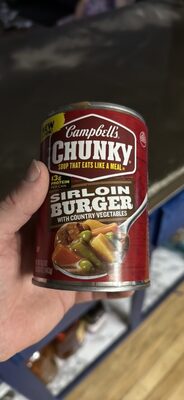
Learn more
Auto-generated content. This description was generated automatically and is pending editorial review. Inaccuracies are possible. Found a mistake? Contact us.