Sodium Carbonate Acid
Auto-generated content. This description was generated automatically and is pending editorial review. Inaccuracies are possible. Found a mistake? Contact us.
What it is
Sodium carbonate acid, also known as sodium bicarbonate or baking soda, is a white crystalline powder. It is a salt of carbonic acid and is naturally occurring in mineral deposits. It is produced industrially through the Solvay process or by carbonating a solution of sodium carbonate.
Why it's used
Sodium bicarbonate is primarily used as a leavening agent in baking, producing carbon dioxide gas when combined with an acid and heat, which causes doughs and batters to rise. It is also used as an acidity regulator and a stabilizer in various food products, including baked goods, dairy products, and beverages.
Health notes
Sodium bicarbonate is Generally Recognized As Safe (GRAS) by the FDA for use in food. It is a common ingredient in antacids and is used to neutralize stomach acid. JECFA and EFSA have evaluated sodium bicarbonate and found it to be safe for consumption. High intake can lead to electrolyte imbalances, but this is not typically seen with typical dietary consumption.
Allergen info
Sodium bicarbonate is not derived from any of the 9 FDA major allergens. It does not contain gluten.
Products containing Sodium Carbonate Acid
Compare products →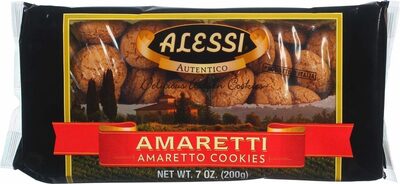 Vigo Importing Company
Amaretti Amaretto Cookies, Amaretti
High in added sugars — 40% DV per serving
406kcal
6.2Protein
7.8Fat
81.2Carbs
Meijer, Inc.
Tiramisu Bar Cake, Tiramisu
High in saturated fat — 22% DV per serving
High in added sugars — 30% DV per serving
260kcal
4Protein
14Fat
36Carbs
Vigo Importing Company
Amaretti Amaretto Cookies, Amaretti
High in added sugars — 40% DV per serving
406kcal
6.2Protein
7.8Fat
81.2Carbs
Meijer, Inc.
Tiramisu Bar Cake, Tiramisu
High in saturated fat — 22% DV per serving
High in added sugars — 30% DV per serving
260kcal
4Protein
14Fat
36Carbs