Sodium Citrate And Xanthan Gum
Auto-generated content. This description was generated automatically and is pending editorial review. Inaccuracies are possible. Found a mistake? Contact us.
What it is
Sodium citrate is the sodium salt of citric acid. Xanthan gum is a polysaccharide produced by the fermentation of sugar by bacteria. Both are commonly produced through industrial processes.
Why it's used
Sodium citrate is used as an acidity regulator and emulsifier, helping to blend ingredients smoothly, especially in cheese products. Xanthan gum is a thickener and stabilizer, preventing ingredients from separating and improving texture in a wide range of foods like sauces, dressings, and frozen items.
Health notes
Both sodium citrate and xanthan gum are generally recognized as safe (GRAS) by the FDA for use in food. They are typically consumed in small amounts and are not associated with adverse health effects at these levels. International bodies like JECFA and EFSA have evaluated these ingredients. Evidence does not suggest significant health concerns for most people when consumed in typical amounts found in food.
Allergen info
Neither sodium citrate nor xanthan gum are derived from any of the FDA's 9 major allergens. They do not contain gluten.
Products containing Sodium Citrate And Xanthan Gum
Compare products →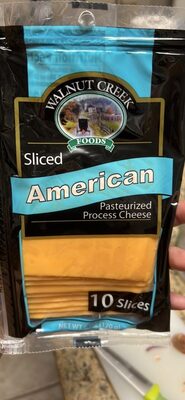 Coblentz Distributing, Inc.
American Pasteurized Process Cheese Sliced
High in saturated fat — 30% DV per serving
382kcal
20.6Protein
32.4Fat
5.9Carbs
Coblentz Distributing, Inc.
American Pasteurized Process Cheese Sliced
High in saturated fat — 30% DV per serving
382kcal
20.6Protein
32.4Fat
5.9Carbs