Sodium Tripolyphosphate To Retain Moisture
What is Sodium Tripolyphosphate To Retain Moisture?
Sodium tripolyphosphate (STPP) is a sodium salt of the polyphosphate system. It is produced industrially by heating a mixture of sodium pyrophosphate and monosodium phosphate or disodium phosphate.
Is Sodium Tripolyphosphate To Retain Moisture vegan?
Sodium Tripolyphosphate To Retain Moisture is not animal-derived. Products that contain it can still include other animal-derived ingredients, so check the full ingredient list.
Is Sodium Tripolyphosphate To Retain Moisture gluten-free?
It does not contain gluten.
Is Sodium Tripolyphosphate To Retain Moisture a major allergen?
Sodium tripolyphosphate is not derived from any of the FDA's major allergens.
What is Sodium Tripolyphosphate To Retain Moisture used for?
STPP is often added to processed foods, especially meats and seafood, to help them retain moisture during cooking and storage.
Is Sodium Tripolyphosphate To Retain Moisture safe?
In the United States, sodium tripolyphosphate is generally recognized as safe (GRAS) by the FDA when used for its intended purpose.
Why it's used
STPP is often added to processed foods, especially meats and seafood, to help them retain moisture during cooking and storage. This improves texture and yield. It is commonly found in frozen fish and seafood, processed poultry, and some dairy products.
Health notes
In the United States, sodium tripolyphosphate is generally recognized as safe (GRAS) by the FDA when used for its intended purpose. It is also approved as a food additive. International bodies like JECFA have evaluated phosphates and set acceptable daily intakes. While phosphates are essential minerals, high intake of phosphorus from processed foods is a concern for individuals with kidney disease.
Allergen info
Sodium tripolyphosphate is not derived from any of the FDA's major allergens. It does not contain gluten.
Foods that contain Sodium Tripolyphosphate To Retain Moisture
Compare products →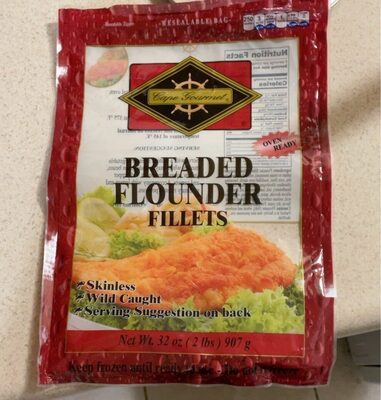
Auto-generated content. This description was generated automatically and is pending editorial review. Inaccuracies are possible. Found a mistake? Contact us.