Soft Wheat Flour
What is Soft Wheat Flour?
Soft wheat flour is a finely milled flour made from soft wheat varieties, which have a lower protein and gluten content compared to hard wheat. It is produced by grinding the wheat kernel, separating the bran and germ, and then milling the endosperm into a fine powder. Soft wheat flour is prized for its tender texture and is commonly used in baking.
Is Soft Wheat Flour vegan?
Soft Wheat Flour is not animal-derived. Products that contain it can still include other animal-derived ingredients, so check the full ingredient list.
Is Soft Wheat Flour gluten-free?
It contains gluten.
Is Soft Wheat Flour a major allergen?
Soft wheat flour is derived from wheat, which is one of the 9 FDA major allergens.
What is Soft Wheat Flour used for?
Manufacturers use soft wheat flour primarily for its ability to create light and tender baked goods.
Is Soft Wheat Flour safe?
Soft wheat flour is a common food ingredient and is generally recognized as safe (GRAS) by the FDA when used as intended.
Why it's used
Manufacturers use soft wheat flour primarily for its ability to create light and tender baked goods. Its lower gluten content makes it ideal for cakes, pastries, cookies, and quick breads, where a delicate crumb is desired. It is also used in some types of pasta and flatbreads.
Health notes
Soft wheat flour is a common food ingredient and is generally recognized as safe (GRAS) by the FDA when used as intended. It is a source of carbohydrates and some B vitamins. International bodies like JECFA have evaluated wheat flour, and it is a staple food recognized by the WHO. Evidence does not suggest adverse health effects from typical consumption.
Allergen info
Soft wheat flour is derived from wheat, which is one of the 9 FDA major allergens. It contains gluten.
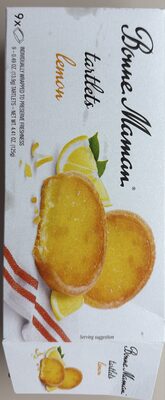
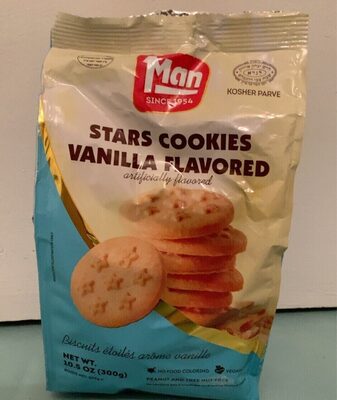
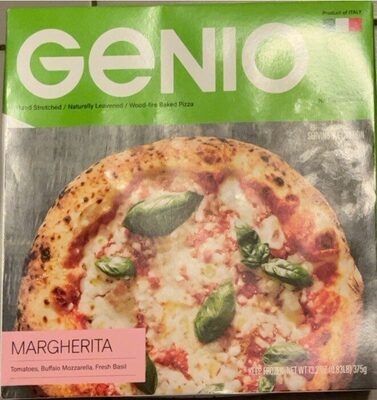
Foods that contain Soft Wheat Flour
Compare products →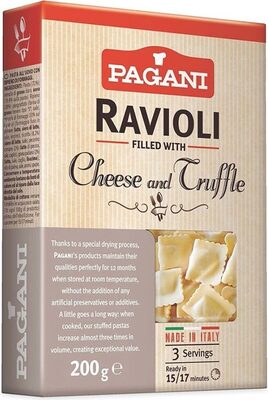
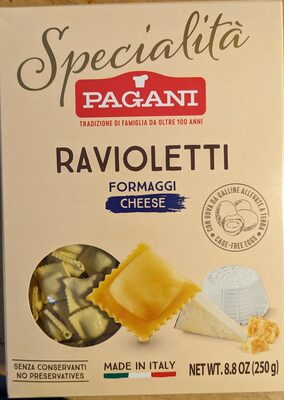
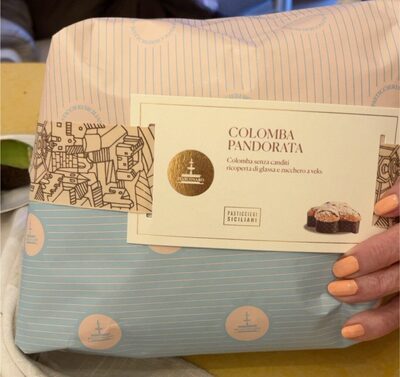
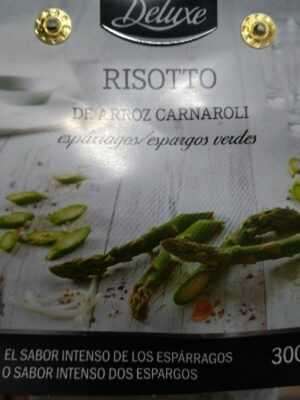
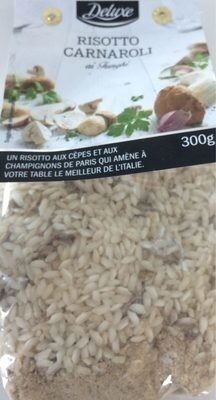
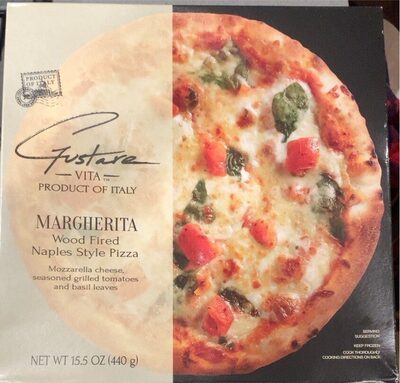
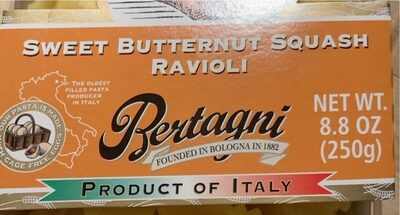

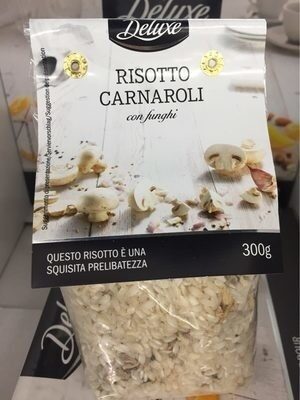
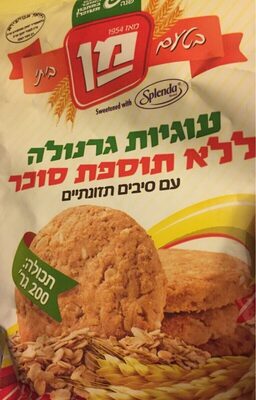
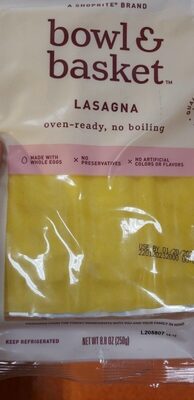
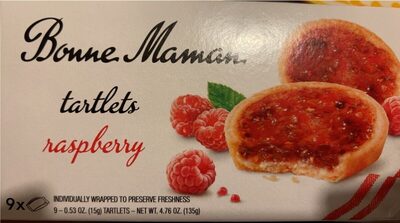
Learn more
Auto-generated content. This description was generated automatically and is pending editorial review. Inaccuracies are possible. Found a mistake? Contact us.