Source Of Vitamin A
What is Source Of Vitamin A?
Vitamin A is a fat-soluble vitamin essential for vision, immune function, and cell growth. It can be naturally found in foods like liver, fish oils, and dairy products. In packaged foods, it is often added in the form of retinyl palmitate or retinyl acetate, which are synthesized forms of vitamin A.
Is Source Of Vitamin A a major allergen?
Not a major allergen.
What is Source Of Vitamin A used for?
Manufacturers add vitamin A to foods to increase their nutritional value, as it is a required nutrient.
Is Source Of Vitamin A safe?
Vitamin A is an essential nutrient, and the FDA permits its addition to foods.
Why it's used
Manufacturers add vitamin A to foods to increase their nutritional value, as it is a required nutrient. It is commonly found in fortified products such as margarine, cereals, and dairy alternatives. It helps ensure consumers can meet their daily vitamin A needs through a varied diet.
Health notes
Vitamin A is an essential nutrient, and the FDA permits its addition to foods. The National Academies of Sciences, Engineering, and Medicine have established upper intake levels for vitamin A. JECFA and EFSA have also evaluated vitamin A and its derivatives. Consuming excessive amounts of vitamin A from supplements or fortified foods can lead to toxicity, while deficiency can cause vision problems and impaired immunity.
Allergen info
Not a major allergen. Vitamin A itself is not derived from any of the nine major allergens.
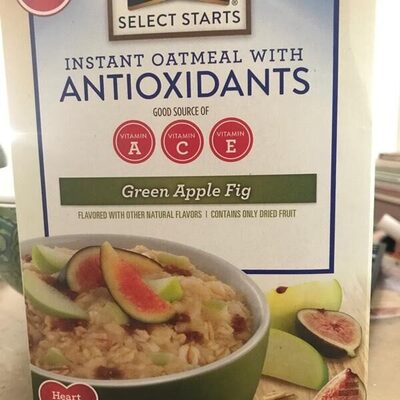
Foods that contain Source Of Vitamin A
Compare products →

Learn more
Auto-generated content. This description was generated automatically and is pending editorial review. Inaccuracies are possible. Found a mistake? Contact us.