Source Of Vitamin E
What is Source Of Vitamin E?
Vitamin E is a group of compounds that includes tocopherols and tocotrienols. It is found naturally in many foods like nuts, seeds, and vegetable oils. It can also be synthesized for use as a food additive.
Is Source Of Vitamin E gluten-free?
However, some sources of vitamin E, like wheat germ oil, may not be suitable for individuals with celiac disease or gluten sensitivity.
Is Source Of Vitamin E a major allergen?
Not a major allergen.
What is Source Of Vitamin E used for?
Vitamin E is added to foods as an antioxidant to help prevent spoilage by protecting fats and oils from becoming rancid.
Is Source Of Vitamin E safe?
Vitamin E is an essential nutrient that plays a role in immune function and cell protection.
Why it's used
Vitamin E is added to foods as an antioxidant to help prevent spoilage by protecting fats and oils from becoming rancid. It is often found in cereals, baked goods, and processed foods where fat content is high.
Health notes
Vitamin E is an essential nutrient that plays a role in immune function and cell protection. The FDA considers it generally recognized as safe (GRAS) when used as a nutrient supplement or antioxidant. JECFA and EFSA have evaluated vitamin E and its compounds. While generally safe at typical dietary levels, very high doses can interfere with blood clotting.
Allergen info
Not a major allergen. However, some sources of vitamin E, like wheat germ oil, may not be suitable for individuals with celiac disease or gluten sensitivity.
Foods that contain Source Of Vitamin E
Compare products →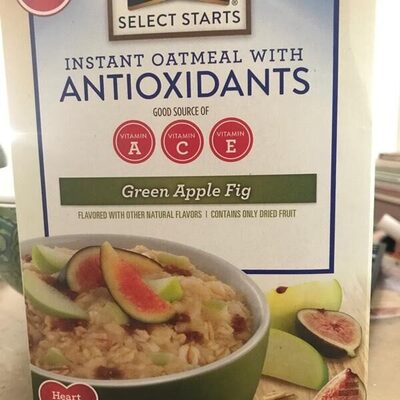
Learn more
Auto-generated content. This description was generated automatically and is pending editorial review. Inaccuracies are possible. Found a mistake? Contact us.