Soybean And Cottonseed
What is Soybean And Cottonseed?
Soybeans are legumes grown worldwide, while cottonseeds are a byproduct of cotton production. Both are processed to extract oils, which are then refined, bleached, and deodorized for use in food.
Is Soybean And Cottonseed vegan?
Soybean And Cottonseed is not animal-derived. Products that contain it can still include other animal-derived ingredients, so check the full ingredient list.
Is Soybean And Cottonseed a major allergen?
Soybean oil is derived from soy, which is one of the FDA's 9 major allergens.
What is Soybean And Cottonseed used for?
Refined soybean and cottonseed oils are neutral-tasting, versatile fats used in a wide range of processed foods.
Is Soybean And Cottonseed safe?
Soybean and cottonseed oils are generally recognized as safe (GRAS) by the FDA for food use.
Why it's used
Refined soybean and cottonseed oils are neutral-tasting, versatile fats used in a wide range of processed foods. They function as cooking oils, shortenings, and ingredients in products like baked goods, snacks, and fried items.
Health notes
Soybean and cottonseed oils are generally recognized as safe (GRAS) by the FDA for food use. They are sources of polyunsaturated and monounsaturated fats. Regulatory bodies like JECFA have evaluated these oils, and they are commonly consumed in typical amounts without adverse health effects. Some concerns have been raised about potential residues from pesticides used in conventional cotton farming, but refined oils undergo processes to minimize these.
Allergen info
Soybean oil is derived from soy, which is one of the FDA's 9 major allergens. However, highly refined soybean oil is often considered non-allergenic by regulatory bodies due to the removal of allergenic proteins during processing.
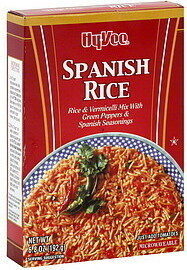
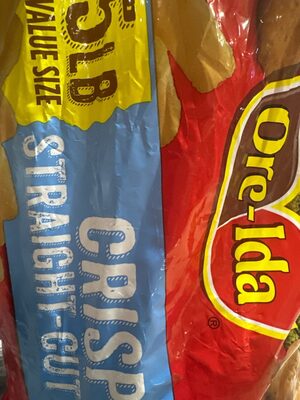
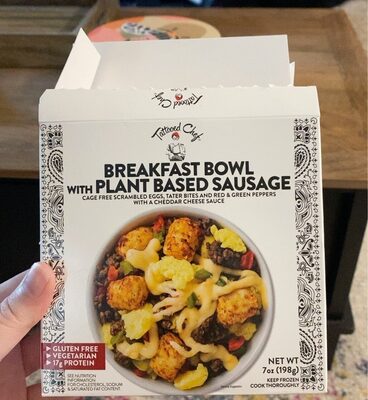
Foods that contain Soybean And Cottonseed
Compare products →
















Learn more
Auto-generated content. This description was generated automatically and is pending editorial review. Inaccuracies are possible. Found a mistake? Contact us.