Spices And Salt Added
Auto-generated content. This description was generated automatically and is pending editorial review. Inaccuracies are possible. Found a mistake? Contact us.
What it is
Spices are aromatic parts of plants, such as seeds, fruits, roots, bark, or flowers, used to flavor food. Salt, or sodium chloride, is a mineral compound. When listed as "Spices and Salt Added," it indicates that a blend of various spices and salt has been included in the product.
Why it's used
Manufacturers add spices and salt primarily to enhance the flavor of foods. Salt also acts as a preservative, extending the shelf life of products by inhibiting microbial growth. This combination is commonly found in savory processed foods, such as canned seafood, to improve taste and help with preservation.
Health notes
The FDA recognizes salt (sodium chloride) as "Generally Recognized As Safe" (GRAS). High sodium intake is a public health concern, as it can contribute to high blood pressure in some individuals; the FDA's Daily Value for sodium is 2,300 mg per day. JECFA has evaluated sodium chloride and determined that an acceptable daily intake (ADI) does not need to be specified. Most individual spices are also recognized as GRAS by the FDA and are considered safe for consumption at typical levels found in food. There are no notable controversies regarding "spices and salt added" as a combined ingredient, though consumers are advised to monitor overall sodium intake.
Allergen info
Neither salt nor the general category of spices are considered major allergens.
Products containing Spices And Salt Added
Compare products →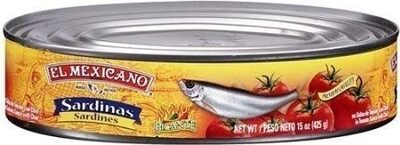 Marquez Brothers International, Inc.
El Mexicano, Sardines
125kcal
17.9Protein
3.6Fat
5.4Carbs
Conchita Foods, Inc.
Conchita, Sardines In Tomato
182kcal
16.4Protein
12.7Fat
0Carbs
Conchita Foods, Inc.
Squid Chunks In Their Own Ink
236kcal
16.4Protein
18.2Fat
3.6Carbs
La Cena Fine Foods, Ltd.
Sardines
211kcal
23.6Protein
12.7Fat
0Carbs
Marquez Brothers International, Inc.
El Mexicano, Sardines
125kcal
17.9Protein
3.6Fat
5.4Carbs
Conchita Foods, Inc.
Conchita, Sardines In Tomato
182kcal
16.4Protein
12.7Fat
0Carbs
Conchita Foods, Inc.
Squid Chunks In Their Own Ink
236kcal
16.4Protein
18.2Fat
3.6Carbs
La Cena Fine Foods, Ltd.
Sardines
211kcal
23.6Protein
12.7Fat
0Carbs
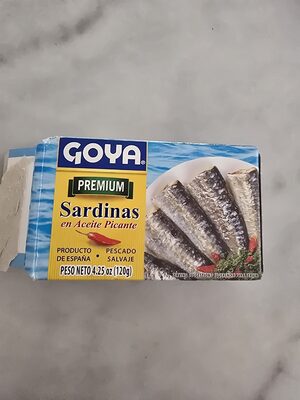 Goya Foods, Inc.
Spicy Oil Sardines
236kcal
21.8Protein
16.4Fat
0Carbs
Goya Foods, Inc.
Goya, Premium Mussels In Pickled Sauce
200kcal
14.6Protein
12.7Fat
5.5Carbs
Goya Foods, Inc.
Spicy Oil Sardines
236kcal
21.8Protein
16.4Fat
0Carbs
Goya Foods, Inc.
Goya, Premium Mussels In Pickled Sauce
200kcal
14.6Protein
12.7Fat
5.5Carbs