Sprouted Grains
What is Sprouted Grains?
Sprouted grains are whole grains that have started to germinate from a seed. This process is triggered by soaking the grains in water, which activates enzymes. The sprouting process is stopped before the plant grows significantly, typically after a few days.
Is Sprouted Grains vegan?
Sprouted Grains is not animal-derived. Products that contain it can still include other animal-derived ingredients, so check the full ingredient list.
Is Sprouted Grains gluten-free?
Sprouted wheat, barley, and rye contain gluten, which is a protein found in these grains.
Is Sprouted Grains a major allergen?
Sprouted grains are derived from wheat, barley, rye, or other cereal grains.
What is Sprouted Grains used for?
Manufacturers use sprouted grains to add a nutty, slightly sweet flavor and a softer texture to baked goods.
Is Sprouted Grains safe?
Sprouted grains are generally recognized as safe (GRAS) by the FDA.
Why it's used
Manufacturers use sprouted grains to add a nutty, slightly sweet flavor and a softer texture to baked goods. They are often found in breads, crackers, and cereals, where they contribute to the overall nutritional profile and taste.
Health notes
Sprouted grains are generally recognized as safe (GRAS) by the FDA. Some research suggests that sprouting may increase the bioavailability of certain nutrients in grains. International bodies like JECFA and EFSA have evaluated various grain products. Evidence on the specific health impacts of sprouted grains at typical consumption levels is still developing.
Allergen info
Sprouted grains are derived from wheat, barley, rye, or other cereal grains. Wheat is one of the 9 FDA major allergens. Sprouted wheat, barley, and rye contain gluten, which is a protein found in these grains.
Foods that contain Sprouted Grains
Compare products →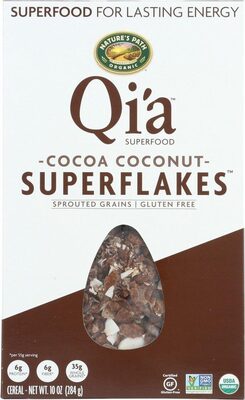
Learn more
Auto-generated content. This description was generated automatically and is pending editorial review. Inaccuracies are possible. Found a mistake? Contact us.